
2025
The Sky Does Amazing Things
I’ve had the same commute for about 28 years. It takes me across Portland, from the SW part of town to NE 122nd, just off I-84. The best thing about my drive is coming up over the Marquam Bridge. At the apex of the bridge, when you are heading north on I-5, Mt. Hood is off at about 1 o’clock to the east. Depending on the time of year, I get to pass over the top of the bridge with the sun just coming up. The last couple days have provided some wonderful views of Hood silhouetted against a splash of persimmon, peach, and amber stretched along the horizon. Over the course of my career, I’d say I’ve witnessed about a hundred wonderful moments like these. It happens just rarely enough to feel special, but often enough so that I look forward to the next one. When this commute is no more, I’ll have to seek out these moments elsewhere.

Demographics of a Dysfunctional Legislative Branch
We are looking at Congress as an institution in my AP Government class at the moment. In order to allow students to see the demographics of Congress relative to our society, I provide the official report that Congress makes available and ask student to do a bit of research. Below is a demographic summary of Congress, in all its dysfunction. Note, this does not include the recently elected Democratic congresswoman from Arizona Adelita Grijalva.
- Party breakdown (May 13, 2025): • House: 220 Republicans (plus 3 Delegates), 213 Democrats (plus 2 Delegates and the Resident Commissioner from Puerto Rico), and 2 vacant seats. • Senate: 53 Republicans, 45 Democrats, and 2 Independents (both caucus with Democrats).
⸻
- Women in Congress: • 155 women serve (129 in the House, including 4 Delegates; 26 in the Senate). • They make up 28.65% of total membership. • Women make up about 50.5% of the overall U.S. population, so they remain underrepresented.
⸻
- Average age: • House: 57.9 years • Senate: 63.9 years • Median U.S. age: about 39 years (U.S. Census 2024). → Members of Congress are much older on average than the general population.
⸻
- Most common professions: • Law, business, and public service/politics. → In contrast, the most common U.S. jobs overall are in retail, food service, and office administration—showing Congress is dominated by professionals rather than service-sector workers.
⸻
- Education: • 96% of Members are college graduates; 66% of House and 78% of Senate members hold advanced degrees. • By comparison, only about 38% of U.S. adults have a bachelor’s degree or higher—so Congress is far more highly educated than the general population.
⸻
- Average length of service: • Representatives: 8.6 years (about 4.3 terms) • Senators: 11.2 years (about 1.9 terms) → A more experienced Congress can mean institutional knowledge and policy expertise, but can also reduce turnover and fresh perspectives. Conversely, many newcomers can bring new ideas but may lack legislative experience.
⸻
- Religious affiliations: • 55.1% Protestant, 28.0% Catholic, 6.0% Jewish, 1.7% Latter-day Saints, small numbers of Muslim, Hindu, Buddhist, and Orthodox members. • Compared to the U.S. population, which is about 63% Christian and more religiously diverse overall, Congress remains more heavily Christian.
⸻
- African American Members: • 61 in the House (including 2 Delegates), 5 in the Senate → 66 total (12.2%). • African Americans make up about 13.6% of the U.S. population, so representation is roughly proportional.
⸻
- Hispanic or Latino Members: • 50 in the House (including 1 Delegate and the Resident Commissioner), 6 in the Senate → 56 total (10.35%). • Hispanics/Latinos make up about 19% of the U.S. population, so they remain underrepresented.
⸻
- Asian American and Pacific Islander Members: • 24 total (21 in the House, 3 in the Senate) → 4.4% of Congress. • Asian Americans and Pacific Islanders are about 7.5% of the U.S. population, so they are underrepresented.
⸻
- Native American Members: • 4 total (3 in the House, 1 in the Senate) → 0.74% of Congress. • Native Americans are about 1.3% of the U.S. population, so they are underrepresented.
⸻
- Military service: • 98 Members (18.1%) have served or are serving in the military. • This is down sharply from 64% in the 97th Congress (1981–82) and 73% in the 92nd (1971–72). • About 6% of U.S. adults are veterans today—so Congress still has a higher veteran rate than the general population but much lower than mid-20th-century levels.
Sunday Favorites
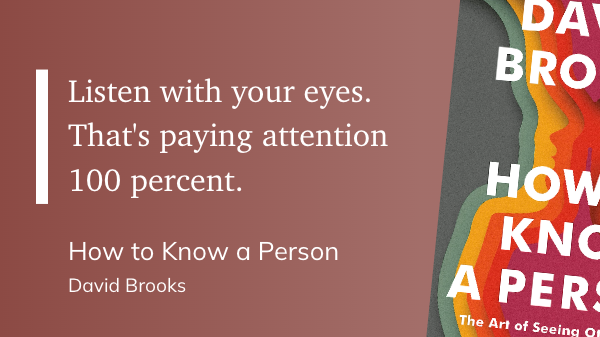
I get emails from Readwise every morning that share quotes I’ve saved while reading. I’ve written about Readwise before and it remains one of my favorite tech subscriptions. I can ‘favorite’ quotes and then on Sundays I get those special quotes sent to me, so I end up seeing them more frequently. Below are a few of my Sunday Favorites, which I was reminded of today.


Sacred Objects
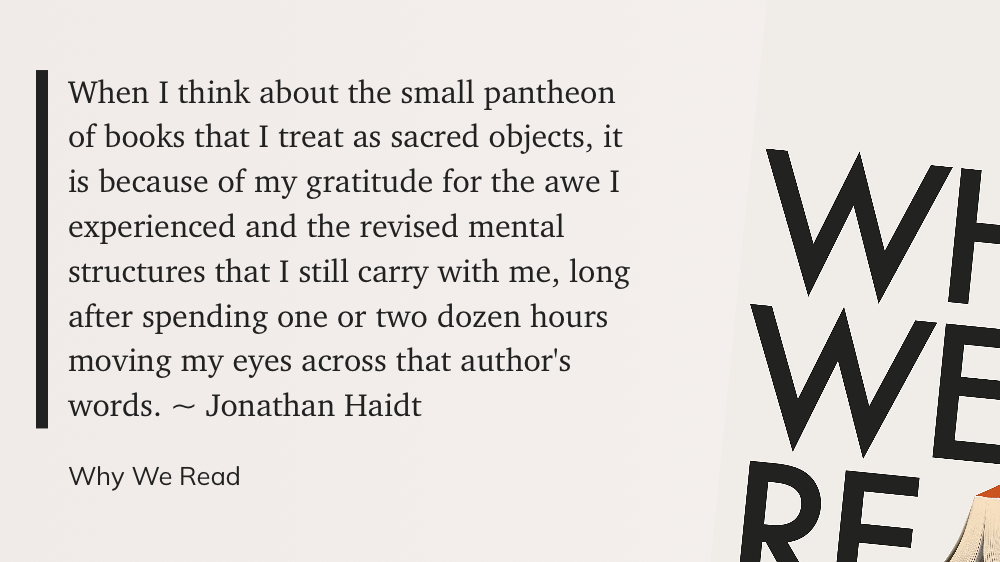
This quote by psychologist Jonathan Haidt expresses an argument for reading that I agree with. If I’ve picked my reads well there are many ideas that give me pause and help me understand both the world and my own views. Every once in a while, books themselves–in their entirety–permanently rearrange the mental structures in my mind. For me, those powerful books include: 1. The Lord of the Rings 2. Eknath Easwaren’s The Dhammapada 3. The Hays translation of Meditations by Marcus Aurelius 4. The Social Construction of Reality by Peter Berger. Ken Wilber’s books, especially A Brief History of Everything, The Marriage of Sense and Soul, One Taste, and Up From Eden were also seminal and profound.
Four New Books
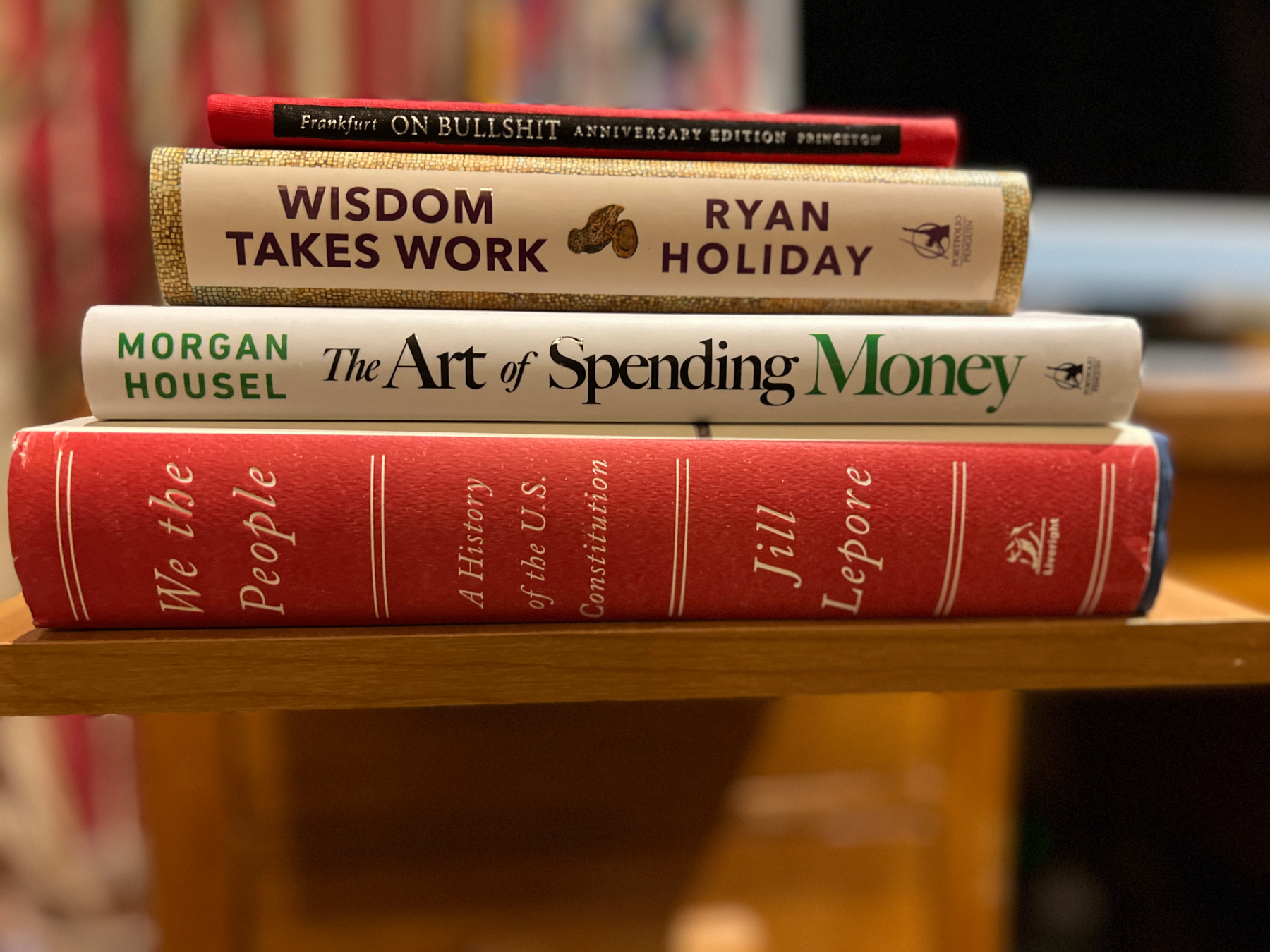
The month is coming to an end and I treated myself again to some new books to add to my To Be Read collection. The Jill LePore book is very new and since I teach AP Gov it seemed like a must read. Her book These Truths is one of the best American history books I have ever read and I recommend it highly. On Bullshit always capatured my attention when browsing, but I never read it. This is the 20th anniversary edition so I suppose it is time to give it a go. At present, one’s bullshit detector needs to be a precise mental machine. The Ryan Holiday book is the last in his book series on the Stoic Virtues. Cannot wait to read it. Holiday’s writing is taut, packed with great stories, and full of wisdom. Morgan Housel’s book is also of very recent vintage. He does a great job of explaining the timeless truths about money and human psychology.
JFK was Overrated
President Kennedy often gets a lot of props from the American public. There are elements of his presidency that I admire, most notably the fact that his rhetoric was often inspirational. However, I believe he is one of the most overrated presidents in modern history. The obvious arguments have to do with his escalation of our involvement in Vietnam and his slowness to support civil rights. In recent years I have come across other examples that call into question his leadership. Some of these have to do with his behavior towards women (see p. 109 of Brian Lamb’s book The Presidents (where today’s quote is from). Another example is the one mentioned below. During the attempt by the Kennedy team to pass civil rights legislation, when they had LBJ at their disposal–the ‘Master of the Senate'-they preferred not to seek his help. Of course, after Kennedy was assassinated, LBJ got both the Civil Rights Act passed in 1964 and the Voting Rights Act passed a year later, proving that Kennedy was foolish in failing to enlist his help.

A Great, Idea-Rich Sentence by Ralph Waldo Emerson
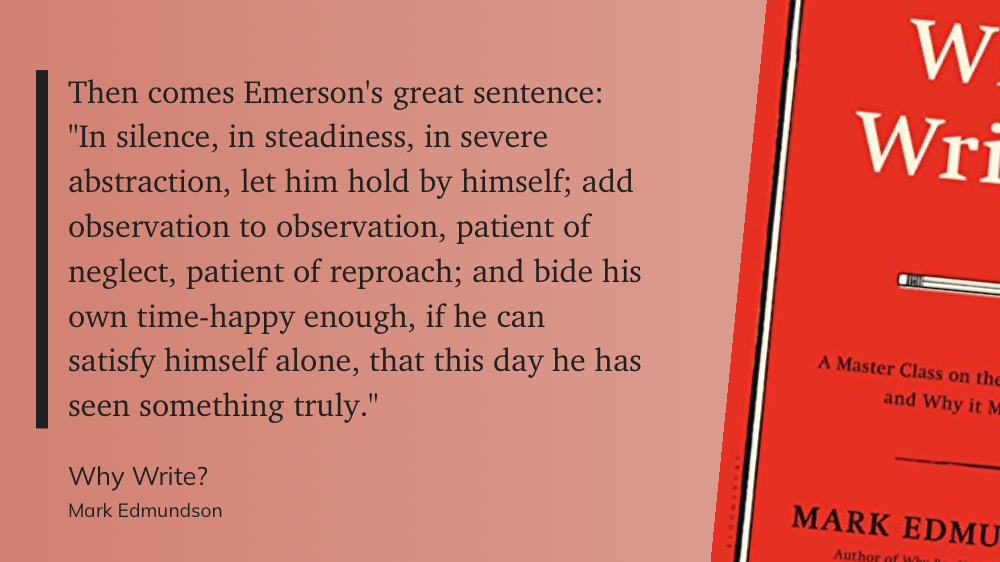
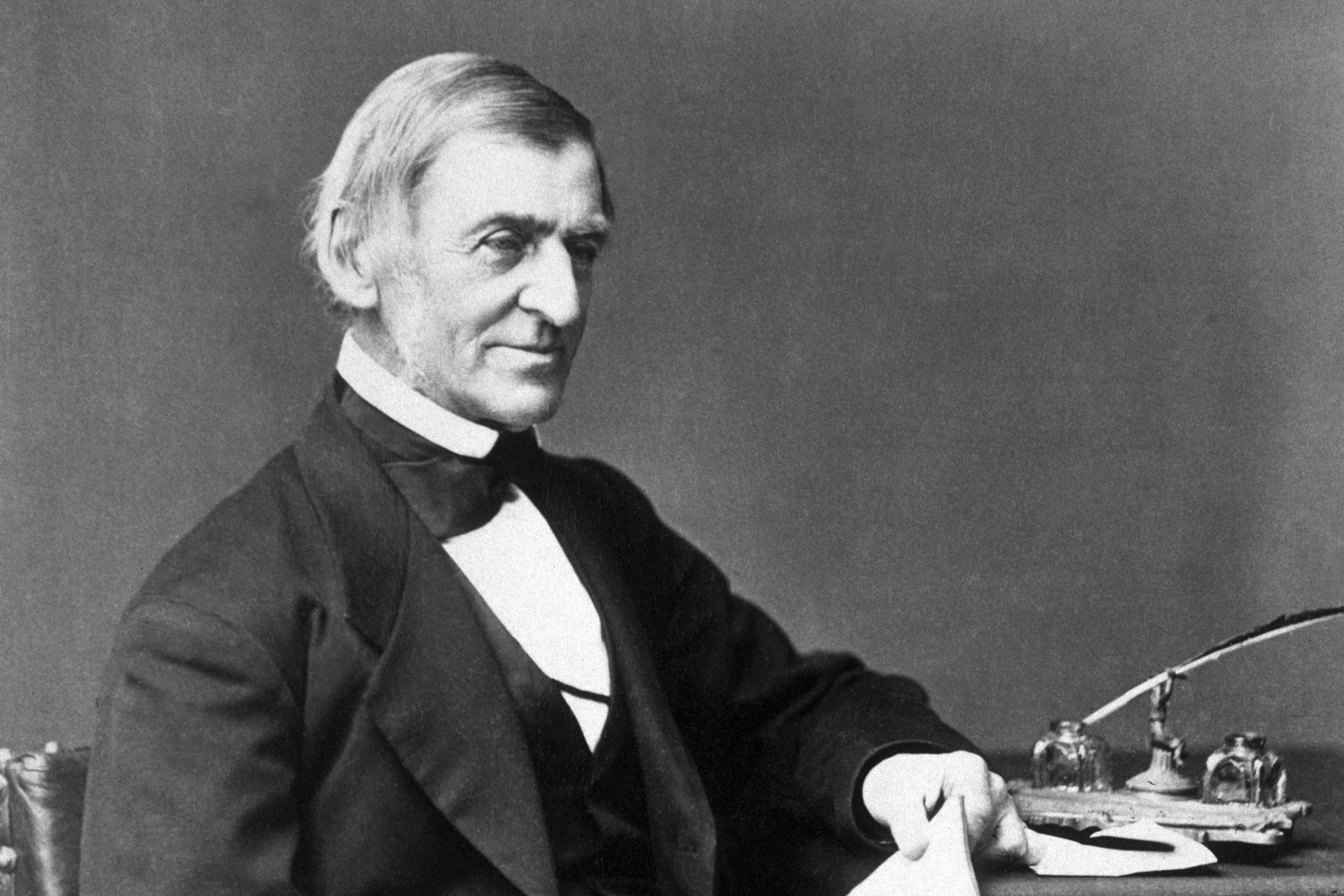
I read some Emerson in college, but nothing since. I came across this great sentence reading Mark Edmundson’s book Why Write? I appreciate Emerson’s message that we must tune out the noise to see reality clearly. I also agree that as independent thinkers, we must be willing to earn reproach from others. Our own truth is not a popularity contest. Finally, I agree with the notion that the ultimate reward for seeing clearly is our own satisfaction, not something external such a public recognition. Our time, like Emerson’s, rewards conformity. Thinking independently is challenging, yet worth the struggle.
A Beautiful Sentence by William Zinsser
William Zinsser is famous for his excellent book on writing called On Writing Well. Recently I finished his memoir titled Writing Places, which I enjoyed. The sentence below struck me both because I find it beautiful to my ear and because I am familiar with Connecticut and Long Island Sound, where my wife grew up and to where we will be returning soon for a visit.


Dead Ducks
This Saturday three things I love will collide in Eugene at Autzen Stadium; my chosen home state Oregon, college football, and the Grateful Dead. When the Ducks take the field against the Wisconsin Badgers they will be sporting special uniforms that honor the historic connection between the Eugene area and the good old Grateful Dead. Here is the Ducks video introducing the unis. This video explains the connection.
My first ever trip to Oregon was to see the Dead in August 1993 when I was still in college. It was back when they allowed camping at Dead shows and the shows themselves were epic. I remember the blazing sun, the bleachers on the west side of the stadium bouncing during Help>Slip>Franklin’s and getting tripped over at all hours of the night as people wandered around. I also have seared into my mindstream the second set of the first show. Peak post-Brent Grateful Dead for sure.
I normally root for both Oregon and Oregon State (unless they are playing Stanford), but I will be rooting extra hard for the Ducks this weekend. It is too bad Bill Walton isn’t around to enjoy this collab.

A Great Reminder from Derek Sivers
I am sharing this not because I have this practice nailed, but because I need to be reminded of it. The little voice in my head is quick to judge, both others and myself. Indeed, it’s like I have a freakin' arrogant know-it-all camped out in my cranium that defaults to criticism and judgement whenever it apprehends something. I suspect this is true for a lot of people. I notice is most when I’m driving. I have gotten better at noticing it, so I’ll take that as a victory. I am hoping that moving forward I get better at taking Derek Sivers’s advice and slow down the automatic reactions in order to give myself both more time to think and more time to react without anger or judgement. Sivers' blog is amazing, btw.

5 Recommendations
This is a beautiful translation of the Buddha’s timeless wisdom. The introduction is sublime.
- Getting Yelled at By Dumbasses blog post on How Things Work Substack
Came across this blog post recently and agreed wholeheartedly. Thought the message should be shared.
- Goose - State Of The Art (A.E.I.O.U) [feat. Jim James] - 9/24/25
Goose does a lot of great covers. They’ve been coving this song by My Morning Jacket for a while. Indeed, I saw them do it at my first show. Thing is, I didn’t really dig Goose’s version. This recent version has MMJ lead singer Jim James doing the singing. Much better!
- Documentary about the Dead in the fall of ’73, The Two Towers
This is probably for hardcore Deadheads only. A raw, honest look at the band in the fall of 1973. Primary source Grateful Dead historiography!
This is a cool AI tool. I use it personally but am increasingly using it for teaching, as it is now embedded in Google Classroom. If you are a high school teacher, you need to check this out.
A Great Bumpersticker
Like many Americans, stuck as we are in car centric society, I am a connoisseur of bumper stickers. I spend about an hour a day on work days commuting, so I get to see my fair share of what is out there in good old Portland, Oregon. I always have my eyes open for other ‘heads out there. One of my all time favorites is the one below. Indeed, I spotted this in the wild many years ago, but the plea it makes is more and more relevant, sadly. Let’s go people…

Judging the Past
In three of my classes today we had a Socratic seminar on an essay by historian Douglas Wilson about Thomas Jefferson called Thomas Jefferson and the Meaning of Liberty. The essay is almost 30 years old and is a bit out of date with regards to Jefferson’s relationship with Sally Hemmings. Nevertheless, Wilson makes some interesting points about how modern Americans should think about viewing figures such as Jefferson, whose lives contained such glaring contradictions.
One of the specific points Wilson makes has to do with the idea of presentism, which he describes as judging those in the past through the lens of our modern societal norms and values. It is always an interesting idea to hear teenagers discuss. Often in years past students were quick to dismiss the logic of avoiding presentism. With ‘cancel culture’ on the rise, students often self-righteously condemned imperfect historic figures such as Jefferson and James Madison. Indeed, learning of Dr. King’s infidelity was often a hard blow for many of my former students.
However, in today’s discussions I noticed students were generally more wary about judging too harshly. It wasn’t that they couldn’t and didn’t call Jefferson out. They did. However, I was impressed to see that those students who spoke often articulated a nuanced take that both recognized Jefferson’s obvious moral hypocrisy, as well as the fact that historical figures are and were regular people and always far from perfect. It struck me because such nuance was often missing from discussions of this essay in the past. Indeed, students today recognized that social media has made it easier for people to judge others, both their contemporaries and historical figures. They noted that this was not a positive development.
At the end of the day, I felt good about the conversations we had for a lot of reasons. I especially appreciated the more sophisticated reading of Wilson’s argument about presentism. Indeed, a lack of nuance is present in the debates of the adults in our society nowadays, so I was happy to see young people going there. It will help in the coming days and months as they eventually take a look at Kermit Roosevelt’s take on the Declaration, American Revolution, and Reconstruction amendments.
A Reminder from Mr. Thompson
As we get into the latter half of October, that means it is almost time to vote. Most of us don’t have major seats (Governor, House or Senate, for instance) on the ballot. However, these off year elections often have important local issues that we should weigh in on. It is also time to work our voting muscles. In the last presidential election, ‘didn’t vote’ actually beat the two major party candidates. That is abhorrent to me. Even if the stakes seem low, we need to get out there and have our say.

Rush is My Jam Show #8
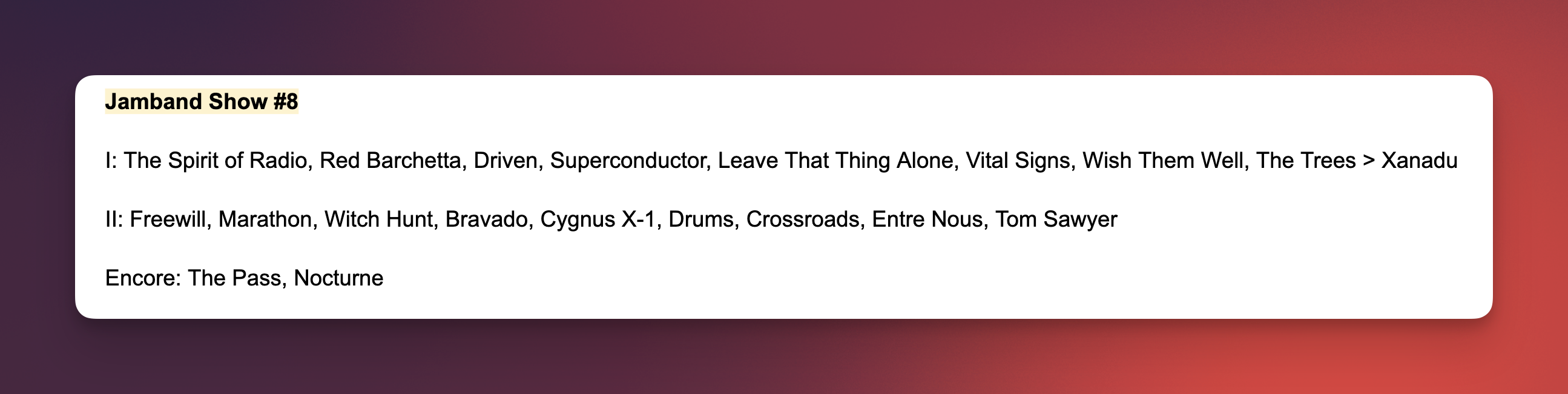
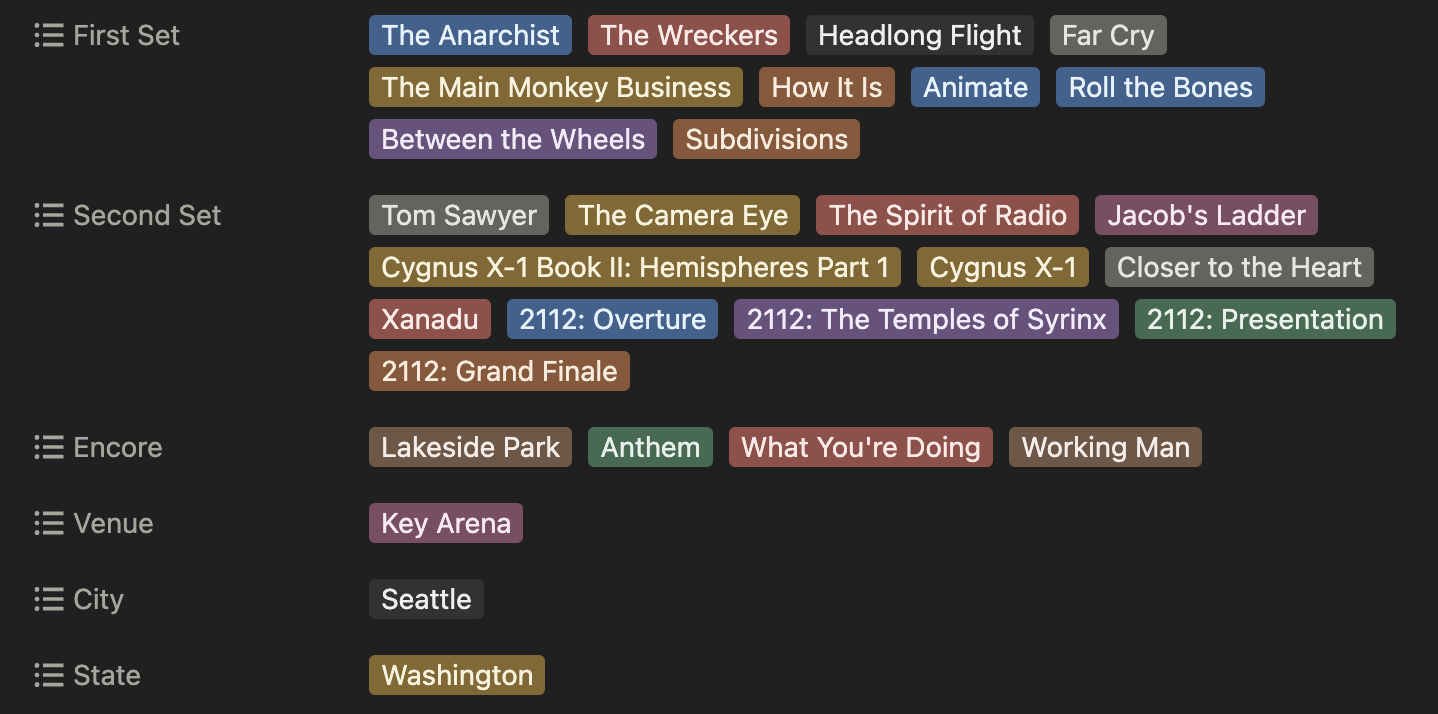
To celebrate my amazing good fortune at scoring Rush ‘50 Something’ tickets for one of the hometown Toronto shows in August ‘26, it is time for another fantasy Rush set list. For the record, I am also sharing the set list of the last Rush shows I saw, which was in July 2015 in Seattle at the old Key Arena. The had a very cool set list gimmick for that tour. They started the shows with their newest tunes and worked their way backwards through their illustrious catalog over the two long sets. The encore were early Rush classics. The stage set also morphed during the show, reflecting the props they used on previous tours. It was very cool, and very Rush. Can’t wait till Toronto! ✌🏻
A Great Sentence From Tom Robbins
The late, great Tom Robbins is the author of many great sentences. If you have never read one of his novels, I recommend trying one. His writing is unique, to say the least. This one is from his memoir Tibetan Peach Pie. He is describing his experience with a particular fungi that is found in the wet woods of the Pacific Northwest. Nailed it.

Red Stockings and Trolley Dodgers
I am teaching a new elective class this year called American Sports History. One of the many benefits of teaching a new class is that I get to learn a lot. The early history of baseball was one of our early topics and while teaching I came across the origins of some team names that I had always wondered about. This was great because I am a huge sports fan. It was also cool because I often bring up team names while teaching history since so many names are derived from historical connections with their cities and regions. Obvious examples include; the New England Patriots, the Philadelphia 76ers, the San Francisco 49ers, and the Portland Trailblazers. When I point these out in class I get the pleasure of seeing many lightbulbs go off.
The origin stories I recently learned about have to do with the Cincinnati Reds and the Los Angeles Dodgers. I always wondered why a midwestern team would have a name associated as a political slur. Their original name was the Red Stockings, and they are considered to be America’s first professional team. They became the Reds eventually, but during the early days of the Cold War, they did actually change their name from the Reds to the Redlegs. They changed back to Reds in 1959.
Most baseball fans know that the LA Dodgers started in New York and were known as the Brooklyn Dodgers. But dodgers of what? Seems like a random team name. Apparently, before they were the Dodgers, they were the Greys, the Bridegrooms, and the Robins. In the 1930s, with trolley’s becoming ubiquitous, they were renamed the Trolley Dodgers. They eventually moved to the West Coast, and the local connection of the name became shrouded to most.
For the record, the original names (and locations) of my favorite teams are:
Athletics: Philadelphia Athletics (1901-1954) → Kansas City Athletics (1955-1967) → Oakland Athletics (1968-2024) → (Sacramento) Athletics (2025-2027, temporary while new stadium built) → Las Vegas Athletics (2028-present, planned)
Raiders: Oakland Raiders (1960-1981) → Los Angeles Raiders (1982-1994) → Oakland Raiders (1995-2019) → Las Vegas Raiders (2020-present)
Kings: Rochester Royals (1945-1957) → Cincinnati Royals (1957-1972) → Kansas City-Omaha Kings (1972-1975) → Kansas City Kings (1975-1985) → Sacramento Kings (1985-present)
Stanford Cardinal: Stanford University, Stanford, California (1891-present) - The team name changed from “Indians” (1930-1972) to “Cardinal” (1972-present), referring to the color cardinal red, not the bird.

Dandelions
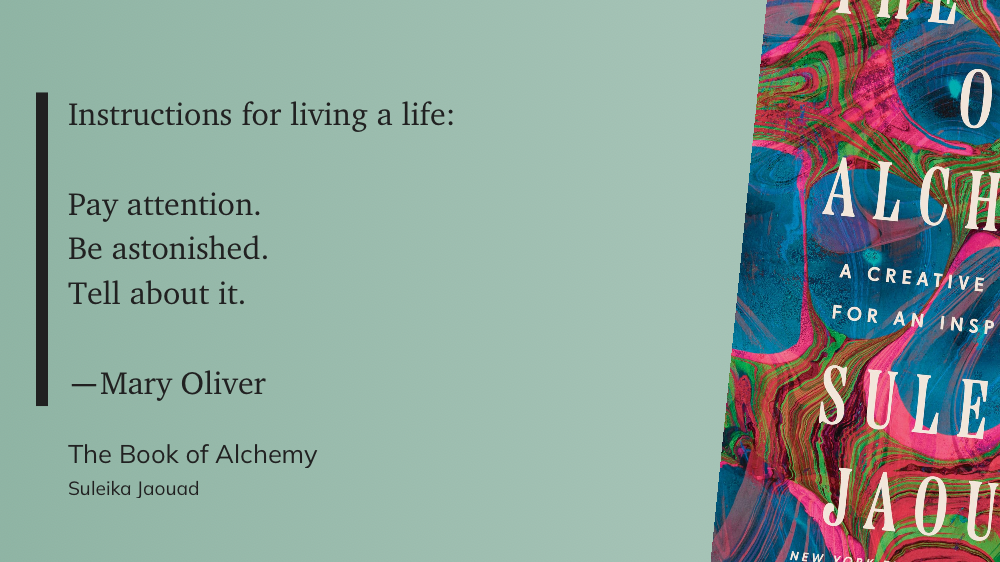
Instead of a simple, beautiful sentence, today I want to share a small beautiful paragraph. This is from a book published this year by Suleika Jaouad, titled The Book of Alchemy. It’s a collection of short pieces in which creative people explore different aspects of the creative process. What struck me about the quote is how it connects an experience we all know — the disintegration of a dandelion cluster — with the inevitable changes we face in our lives. The wind is going to blow — but where will it take our ideas and our dreams? And how will our actions land?

Modern Reminders
I love getting reminders. I need reminders. Productivity guru David Allen famously said, “your brain is for having ideas, not holding them.” I agree 100%. Luckily, I learned a few decades ago that my life ran better when I got things out of my head and onto paper. Back twenty years ago that meant that I still had to open up my planner to see the reminder I had made for myself. Thankfully, life is easier now.
For instance, many people are familiar with and use products such as Apple’s Reminders app to help them offload important details and keep their schedules from falling apart. For whatever reason, that particular option never worked for me, even though I am all in on the Apple ecosystem. It goes to show that we are unique and that what works for several million others, might not work for us.
Appointments and due dates aren’t the only things I want to be reminded of, though. I also want to be reminded of my values, my long term goals, and, as an educator, my philosophy of teaching and learning and what best practices are. Indeed, this is why religious people attend services regularly (or, are supposed to anyway); the spaced repetition helps us remember more deeply what is important. It works for teenagers in high school and it works for adults, too.
One thing I always thought would work for me would be to have a card deck with important reminders on them. I imagine I could keep them at my desk, or in my car, or in my bag, and every day I could shuffle up the deck and be reminded of a bespoke idea that would be great to review again. Being a nerd, I came up with a list of 60 reminders to help me be true to myself. I also came up with 60 reminders about teaching that I wanted to remind myself about on a regular basis. However, instead of manufacturing two physical card decks, I have discovered I can use the new Daily Pulse email option for ChatGPT Plus subscribers to have Chat go into my two lists in Notion and randomly remind me of two ideas via a morning email. Pretty cool. Now, every morning at 6 I get an email from ChatGPT that is tailored specifically to me and what I want to be reminded about before I start my day. I realize some people are wary of AI, but this sort of use case is exciting to me.
They Can't Scroll Us Away
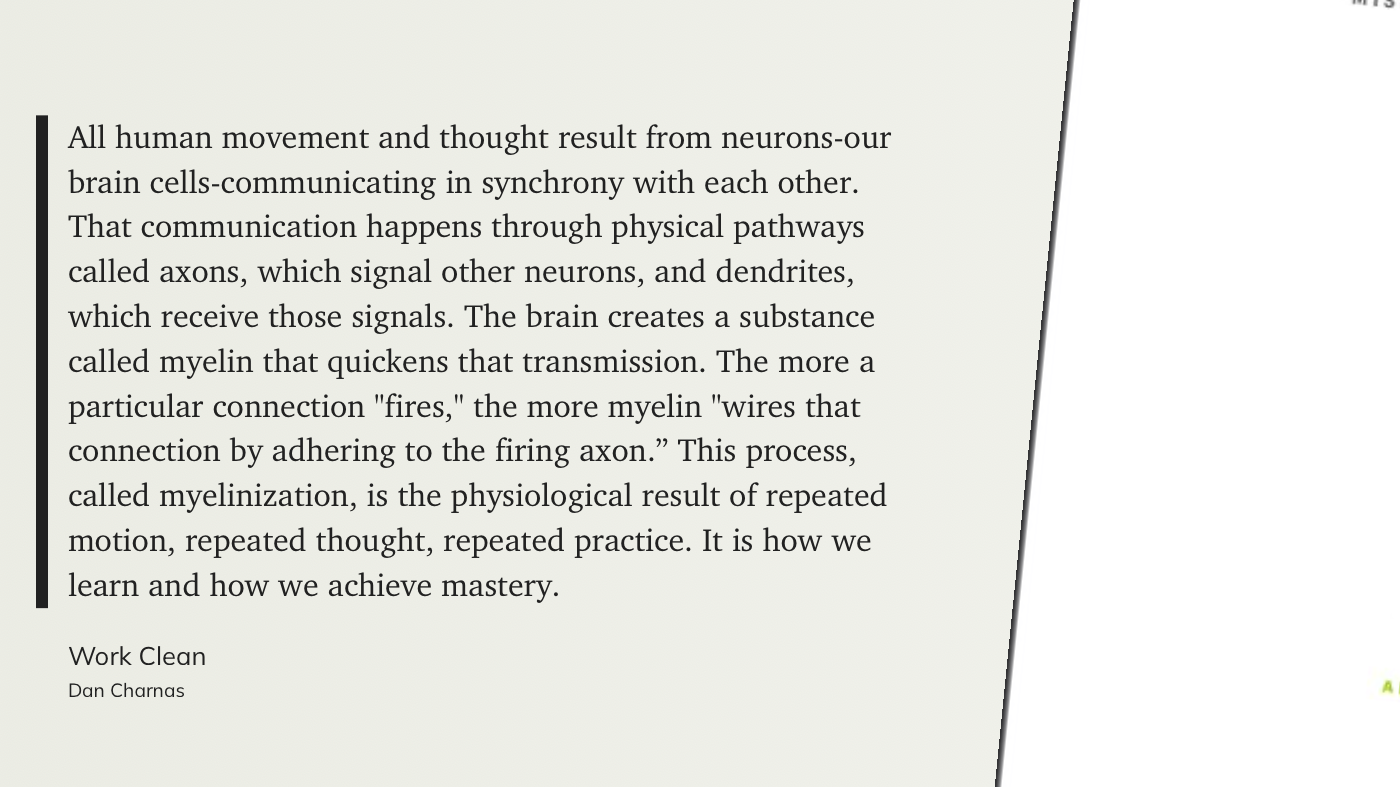
One of the hardest parts of teaching is covering topics that don’t naturally interest most 16- and 17-year olds. Some folks, mostly those that aren’t actually trying to educate young people, claim that the job of teachers is to make topics ‘interesting.’ This sort of cant grates. The fact is, sometimes young people need to be made aware of realities that—on a Tuesday afternoon in October—they won’t easily engage with. This has always been a dilemma for teachers (portrayed humorously by SNL back in 1992), but it is made even more problematic in the Age of Handheld Distraction. Teens today are used to watching a short video on their smartphones and scrolling past it within seconds if it doesn’t capture their interest. And teachers are not entertainers. Students can’t scroll us away.
The quote below by educator Peps Mccrea resonated with me because it’s true and because it isn’t something teachers hear all that often. If math was intrinsically interesting to 8 year olds, schools wouldn’t be needed. Indeed, algebra is not always a ‘magnet of attention’ for most people, kids or otherwise.
In my case, I recently taught Brutus No. 1, the most famous of the Anti-Federalist arguments against the ratification of the Constitution. It was written in 1788. It comes off as stilted to the modern reader. It is—Hard. To. Read. Of course, the arguments Brutus made about an overpowerful federal government ruled by a strongman is super relevant to teenagers growing up in Portland, Oregon at the moment. That depressing fact of life today helps make the reading relevant. But the point remains: it is not necessarily interesting (as evidenced by the fact that the vast, vast majority of Americans have no idea a) what Brutus’ arguments were and b) who the Anti-federalists were). Indeed, those who do know it most likely learned it in school.
So, the dilemma remains. We have to teach topics that aren’t always going to interest students, that aren’t natural ‘magnets of attention.’ The art of teaching–the perpetual challenge–is figuring out how to make even the dullest topics come alive for as many students as possible.