Rock and Roll
I continue to plow through Louis Menand’s deeply researched The Free World, which is about ‘art and thought in the cold war.’ Happily, I am now in the part of the book where Menand recounts the story of rock and roll music. I was familiar with the general contours of the story, but am enjoying learning details I was previously ignorant of.
One part of the story that is interesting to me is creation of the new genre’s name–rock and roll. The term was a nautical term as far back as the 1600s, describing the behavior of ships at sea. In the early 20th century, the term emerged as a slang term for dancing, and a double entendre for sex. The first musical recording using the term was by Trixie Smith in 1922 (“My Man Rocks Me (With One Steady Roll)”. Cleveland disc jockey Alan Freed then popularized the term in the 1950s.
Like jazz before, and like rap later, rock and roll was first an African American phenomenon before it went mainstream.
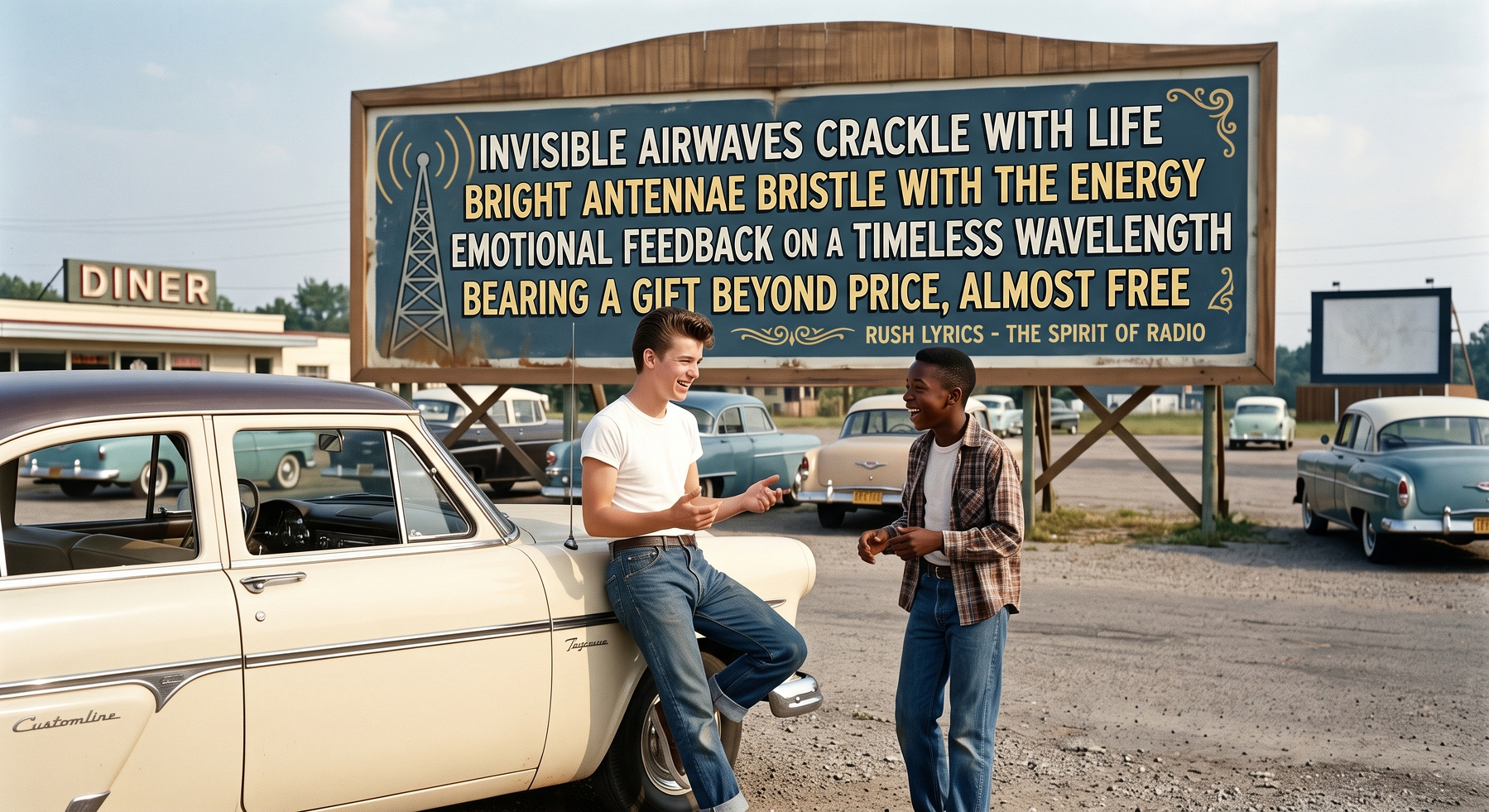
Thinking about this, especially the important role of Alan Freed in Cleveland (whose popularity soon got him a better gig in New York City), I am reminded of the role a disc jockey named Donna Halper played in catalyzing Rush’s popularity in the midwest. Halper, arguabley, turned many OG Rush fans onto the band.