
People
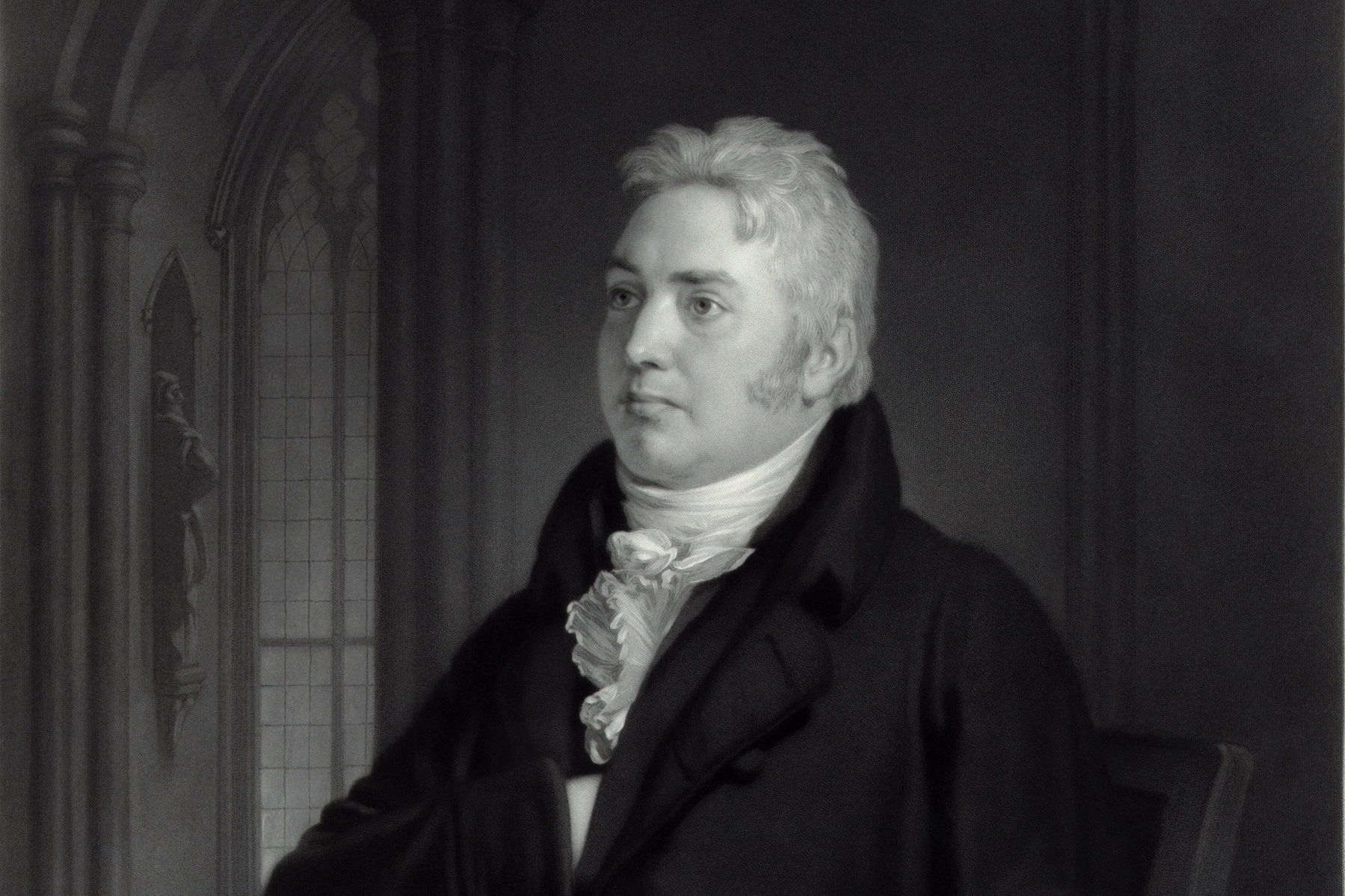
Samuel Taylor Coleridge: Poet, Addict and Underachiever?
I first encountered Samuel Taylor Coleridge the way many fellow Gen Xers did, through a speaker cabinet. Iron Maiden’s Rime of the Ancient Mariner, from their amazing 1984 album Powerslave, is a thirteen-minute epic based on Coleridge’s poem of the same name. It’s definitely a lot of song. The poem it draws from is a lot of poem; over six hundred lines of albatrosses, cursed sailors, and supernatural dread. Indeed, I remember making my Dad listen to it with me, thinking he’d be more likely to enjoy it since it was based on a Coleridge poem. At the time, I was more focused on Steve Harris’s bass lines than on British Romantic poetry, but Coleridge’s name lodged somewhere in the back of my brain.
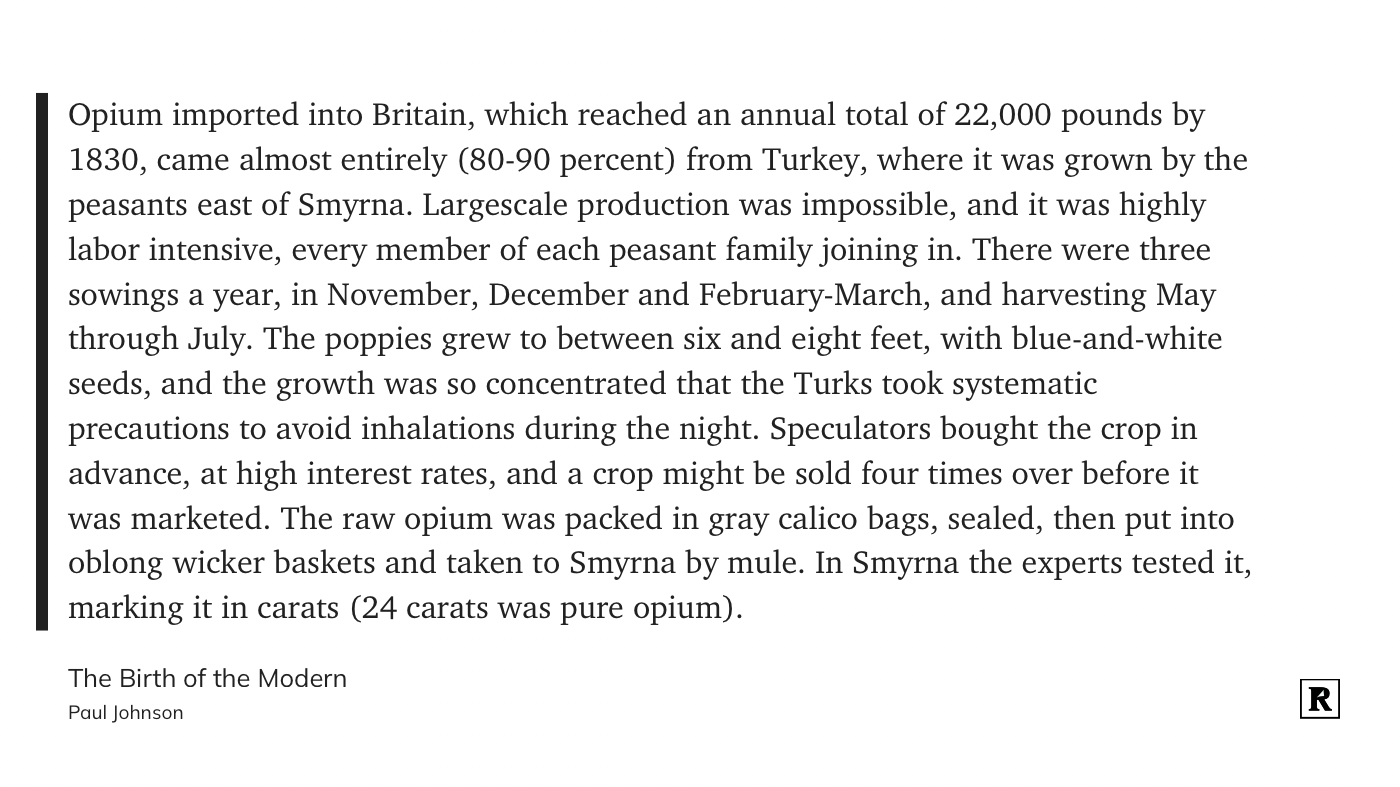
He’s come back around to me recently via Paul Johnson’s The Birth of the Modern, which I continue to happily work through. Johnson covers in great detail the market for opium in Britain in the first decades of the 19th century (see the quote below). Never one to pull punches I’m discovering, Johnson also sketches a rather unflattering portrait of Coleridge. Indeed, his opium addiction is front and center. Apparently Coleridge had developed a serious dependency on laudanum, which in those days was widely available as a tincture. Ostensibly Coleridge used the drug for pain relief, but the habit consumed him. Johnson paints a picture of a man of staggering intellectual gifts who was nonetheless chronically unable to finish what he started. The unfinished poem Kubla Khan is perhaps the most famous example. It is a fragment of fifty-four lines that Coleridge claimed to have composed in an opium-induced dream, only to be interrupted by “a person from Porlock” before he could complete it.
What strikes me about Coleridge is the gap between his potential and his output. By most accounts, he was one of the most brilliant minds of his era — a gifted poet, philosopher, and literary critic. His conversations were legendary. His follow-through, considerably less so. The opium didn’t help. Neither, apparently, did the chaos of his personal life.
History is full of people undone by the distance between what they could have been and what they managed to pull off. F. Scott Fitzgerald, filmmaker Orson Welles, and original Pink Floyd frontman Syd Barret also come to mind in this regard. Coleridge is a particularly affecting case. Water, water everywhere — and yet.
Happy Frederick Douglass Day ❤️
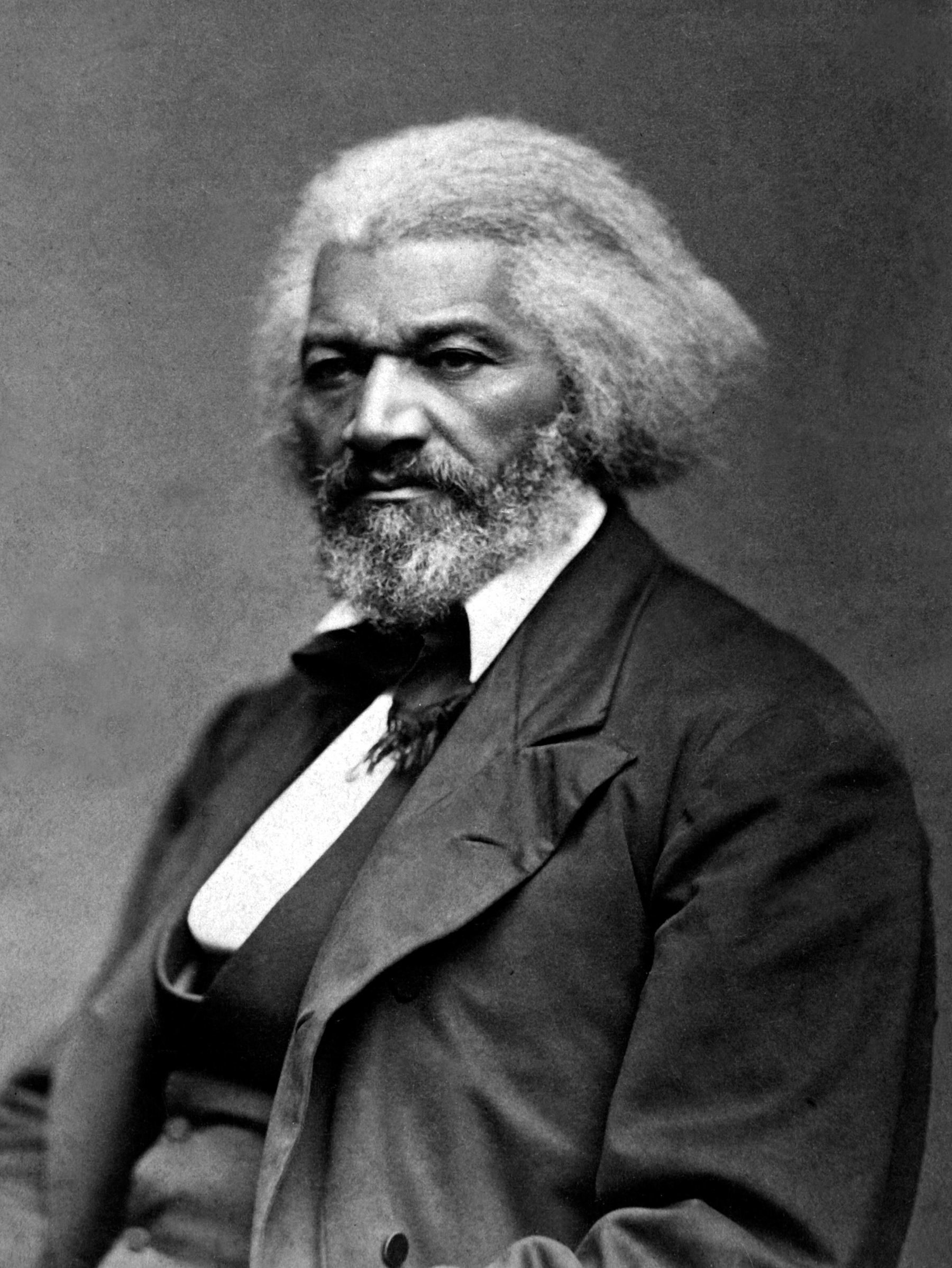
I learned today that the great Frederick Douglass, not knowing exactly what day he was born on, decided on February 14 as his official ‘birthdate.’ I learned this fact about the great human rights advocate from this video by Heather Cox Richardson. In honor of Frederick Douglass, here are 5 other interesting facts about him.
-
He taught himself to read and write in secret. Douglass grew up in Maryland and his master eventually forbade him from learning. He continued to learn in secret, giving food to whites for reading lessons.
-
He was probably the most photographed American of the 19th century, hence all the different pics you’ll see if you Google him. He figured actual photographs would humanize Black Americans and counteract the widespread racial charicatures that were so prevalent then.
-
He named himself. A primary cause of his renaming was to make it harder to be recaptured. The last name he picked is based on a character in Sir Walter Scott’s poem The Lady of the Lake.
-
He was a strong advocate for women’s rights. Indeed, he was the only Black person at the Seneca Falls Convention of 1848, which was the first women’s rights convention in American history. He supported women’s suffrage, believing that the franchise belonged to all Americans.
-
He was nominated as Vice President in 1872 by the Equal Rights Party. The head of the ticket was Victoria Woodhull, but Douglass apparently never acknowledged the nomination.
Making Some Noise
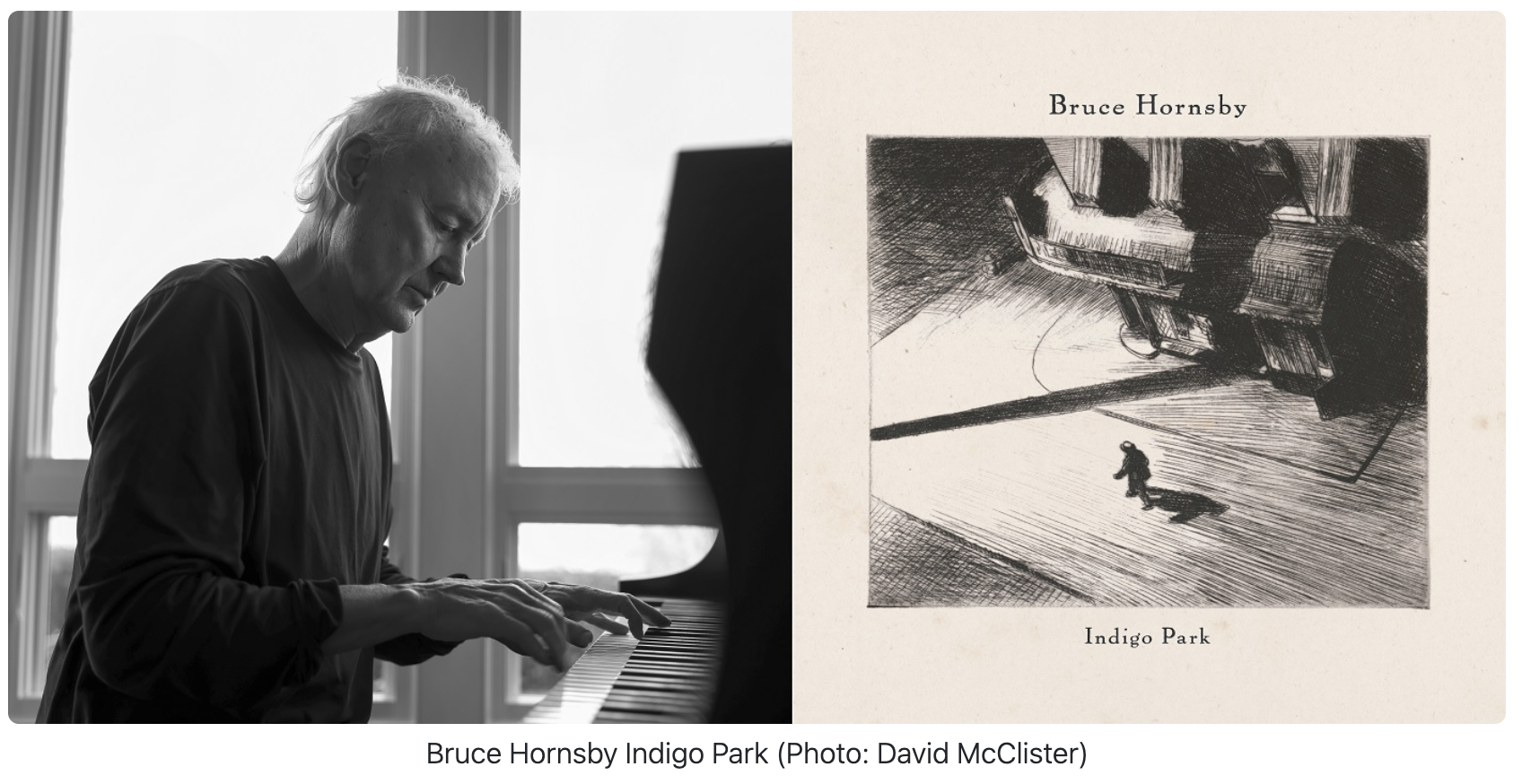
Bruce Hornsby has a new album coming out. Yesterday the title track and first single showed up on YouTube. It is called Indigo Park and I’m digging it. Check it out here.
In honor of Bruce continuing to make meaningful and beautiful music, here are some of my all time favorite Hornsby tunes.
-
Sunflower Cat Can you hear that unmistakable Garcia riff? Sooooooo good.
-
Levitate Nice quirky Hornsby!
-
Take out the Trash This whole album is great. Stanky…
-
Fortunate Son The studio version of this is beautiful, and so is this live pairing with a popular Pink Floyd tune. Sublime.
-
King of the Hill This song rips. Here is a nice live version that segues into a very Hornsby version of Big Boss Man.
Let’s go Bruce! 🎶
Thinking about Robert Reich and William T. Sherman
One of the books I am currently enjoying is economist Robert Reich’s memoir Coming Up Short. The book is not a straight memoir, as Reich works in polemics about American politics and our economy while telling his life story in roughly chronological order. I tend to agree with his views, so I am not put off by the political digressions. Reich was born to a working class Jewish family and eventually earned a law degree from Yale, where he knew and went to school with Hillary Rodham, Bill Clinton, and Clarence Thomas. He worked for the Carter administration in the 1970s and eventually served as President Clinton’s secretary of labor. He eventually became a professor (at Harvard and Berkeley) and is now a pretty outspoken policy wonk advocating for a variety of progressive issues.
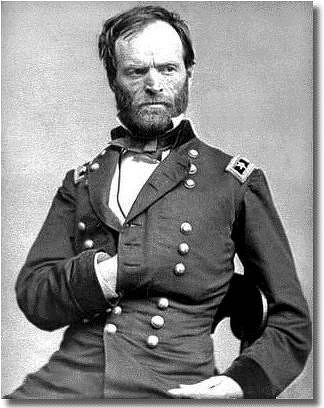
I have also been thinking about Union General William Tecumseh Sherman because I recently taught a lesson about his ‘March to the Sea’ during the Civil War. The essential question of the lesson was whether or not it is justifiable to make war on civilians and infrastructure, which Sherman did to great effect. As I write this, I realize that I am overdue in reading one of the biographies about Sherman, because it is clear to me that he is a fascinating character. A fact that I love about him is the willingness he had to do what it took to defeat the traitors during the American Civil War. That said, he was generally conservative, a racist, and was motivated more by keeping the Union together than abolition.
What might these two very different people have in common? The connection that comes to mind has to do with systems. Sherman had his soldiers attack the railroads (leading to ‘Sherman’s Neckties’) and farms (leading to ‘Sherman’s Sentinels’) as they marched through the South. He also didn’t feed his soldiers and instead had them ‘forage,’ which led them to steal from the people of Georgia as they made their way to the coast from Atlanta (which was left in flames). By doing this, Sherman attacked the system that sustained the Confederacy.
I see Reich as someone who thinks a lot about the reality of the economic system we live in. Rather than wallowing in theory, in his book Reich often explains the mechanisms and decisions that many people in power make that impact our society, for better and for worse.
I’m left wondering, what can one do to improve the corrupt and immoral systems we are a part of? Simple, every day choices made by enough people hopefully preclude the need for the type of choices Sherman had to make.
Three Cheers for Brandon Stanton's Work
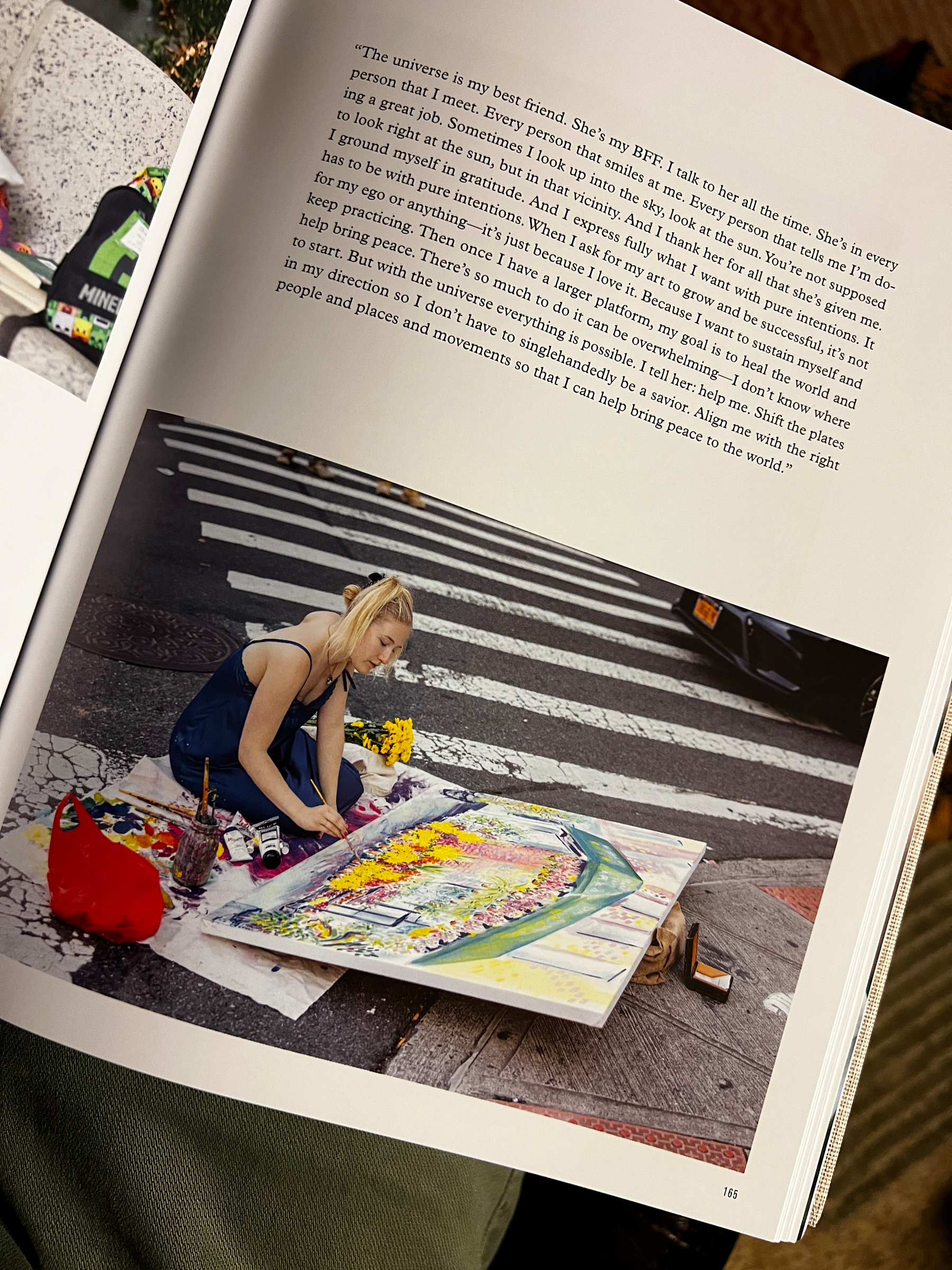
I am a serious fan of Brandon Stanton’s photo books. His first book, Humans of New York, blew up when it was first published. I loved the concept and thought the photos and quotes from the people he photographed were fascinating. I liked his book Humans even more. I am now almost through his latest coffee table book, Dear New York,.
The concept is simple. Each page has a photo and is accompanied by a quote from the person in the picture. I love the books because the people are so unique and often the things they say are entertaining, weird, insightful, revelatory, inspirational, or all of the above wrapped into one monologue. They also provide a similar benefit to traveling, which is to expose oneself to people that are utterly different than oneself.
I can’t recommend these books enough.
RIP Bobby
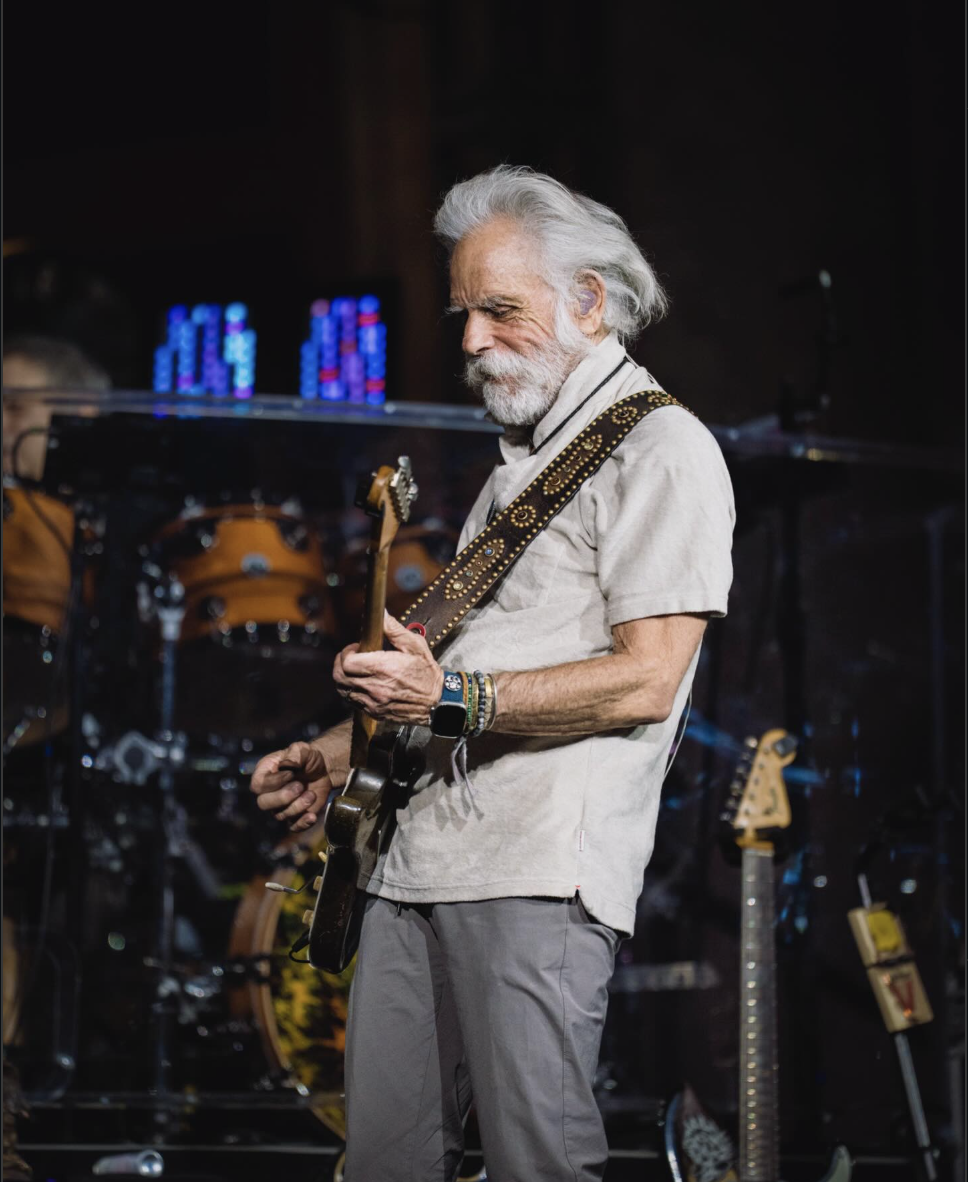
Well, it wasn’t the obit I was hoping for. Bob Weir, original member of the Grateful Dead, has passed away at the age of 78. It was something I think all Deadheads expected to happen at some point, but I am a bit surprised. He just seemed to keep on keeping on. Apparently he died of lung complications that arose from a fight with cancer.
The first time I saw the Dead was in February of 1991. I was blown away and have been a Deadhead ever since. The last time I saw Bobby perform was last May at the Sphere with Dead and Company. All together I think I saw him perform close to 75 times. Jerry got all the attention, but Bobby was also something special. It is crazy to think that he actually spent a bit more time playing Grateful Dead music after Jerry passed than he did with Jerry.
My favorite Bobby songs include the following:
- Feel Like a Stranger
This is my all time favorite Bobby tune. Didn’t see it live enough. When my mood is off I can put this on and I immediately feel better. My favorite versions are from the Fall of 1989 and Spring of 1990.
The studio version of this song was the first Dead song I fell in love with. This live version from Cornell is worth a listen, too.
- Cassidy
The lyrics to this song are sublime. John Perry Barlow wrote the lyrics, but Bobby wrote the music and sang the tune. My favorite version is the acoustic one from Reckoning.
Epic psychedelia. This is one of Bobby’s older tunes and I usually saw him perform coming our of Drums and Space. Always a welcome base line to hear coming out of the freeform madness.
- Jack Straw
Quintessential Grateful Dead. Always a great show opener. Bobby owned this tune. The version from Europe ‘72 is my fav.
- Truckin’
Bobby shares the lyrics with Jerry on this one, but his lines are canonical Dead. Hard to beat the studio version of this tune.
This not usually a top 10 song for most Deadheads. It was often tucked away in the middle of a first set. It always resonated with me though.
- Lay My Lilly Down
This tune was on Bobby’s solo record from 2016 called Blue Mountain. Wise Bobby music.
Fare-thee-well now
Let your life proceed by its own design
Nothing to tell now
Let the words be yours, I’m done with mine
Some Quotes from Ryan Holiday
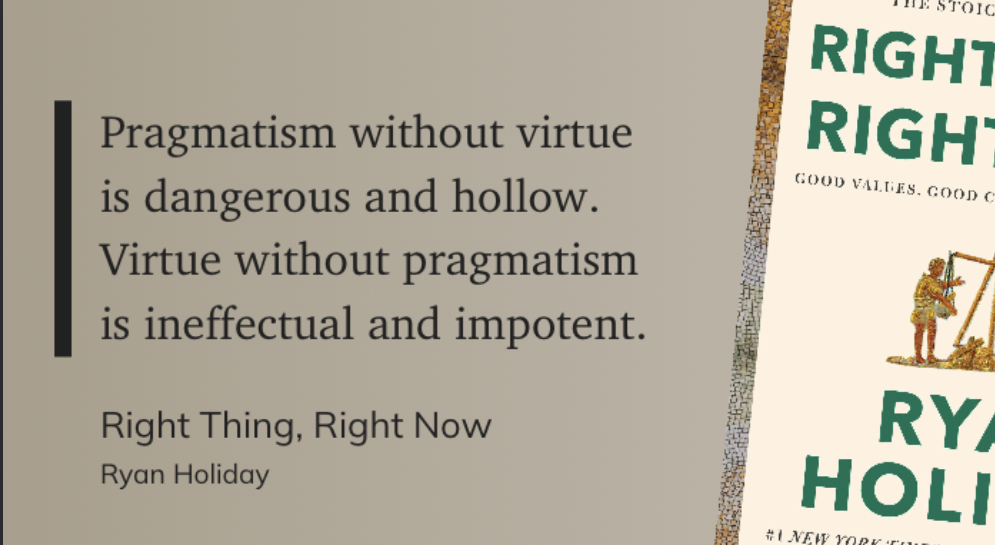
Ryan Holiday is one of my favorite writers. I can’t recommend his books enough. Here are some great quotes from a few of his books.
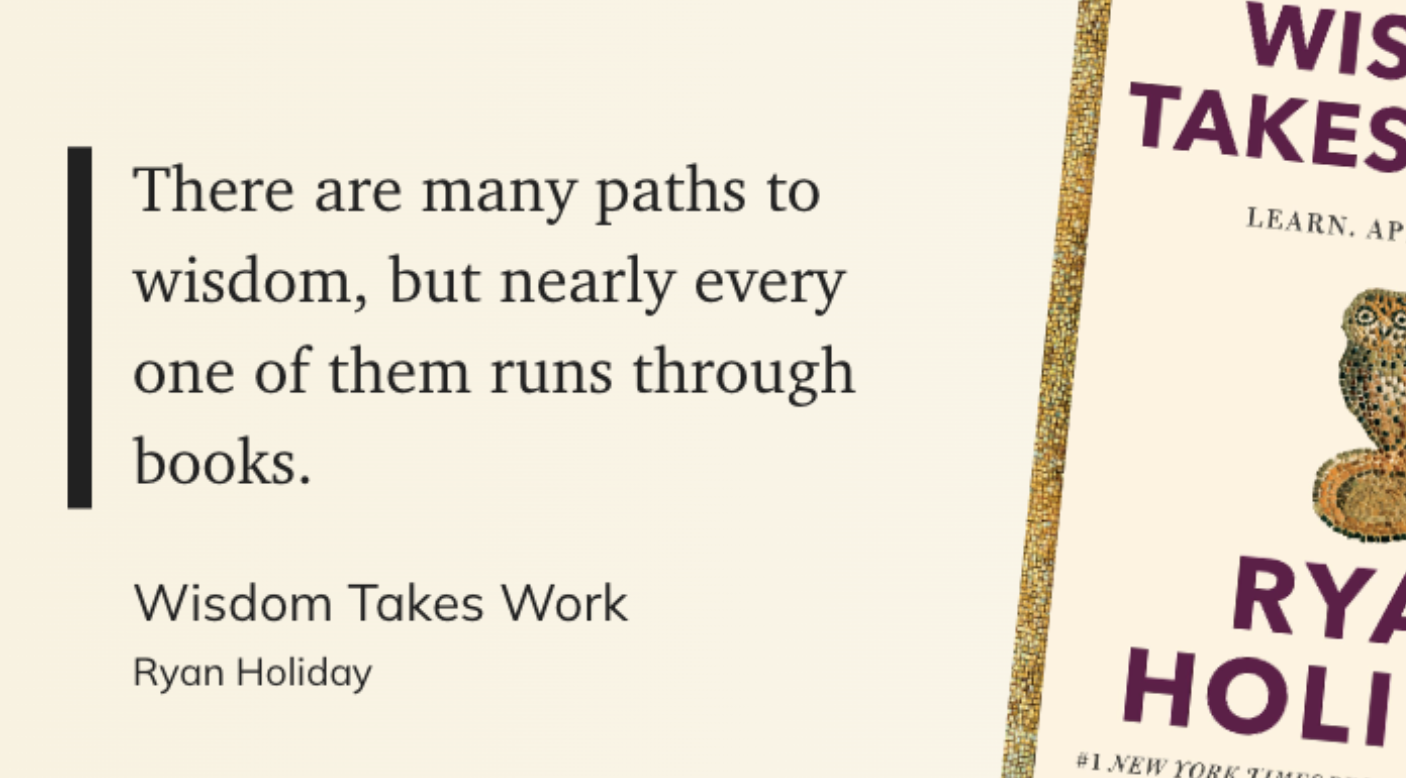
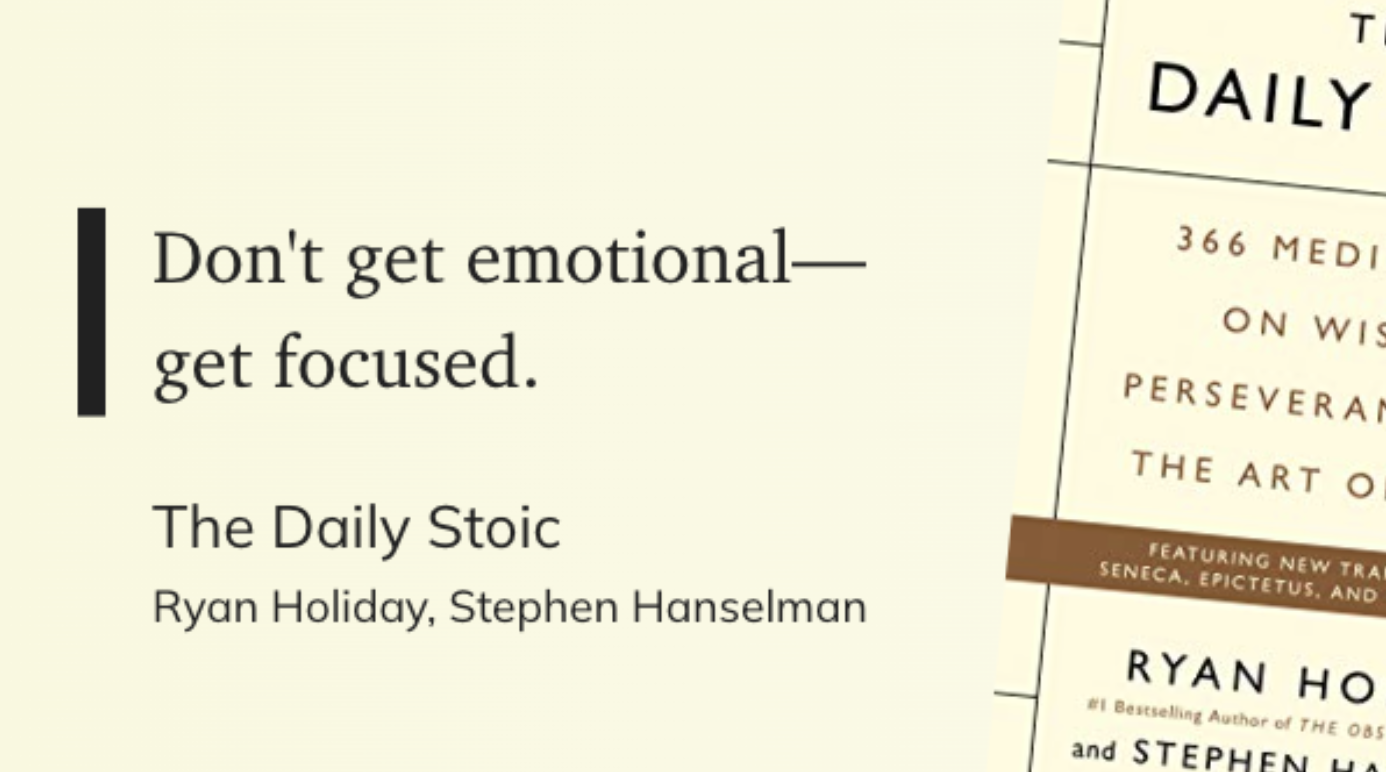
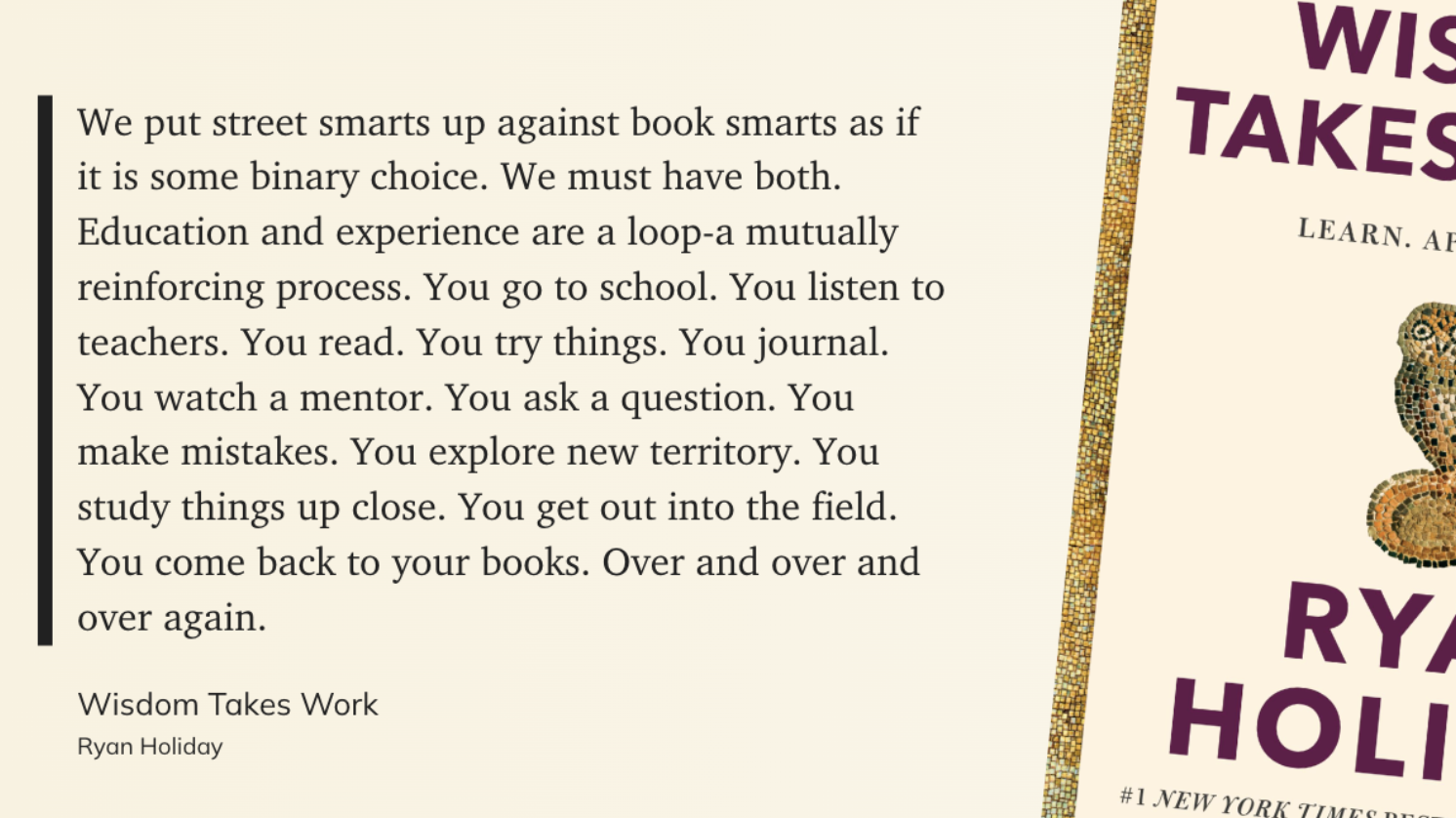
Exciting News for My School
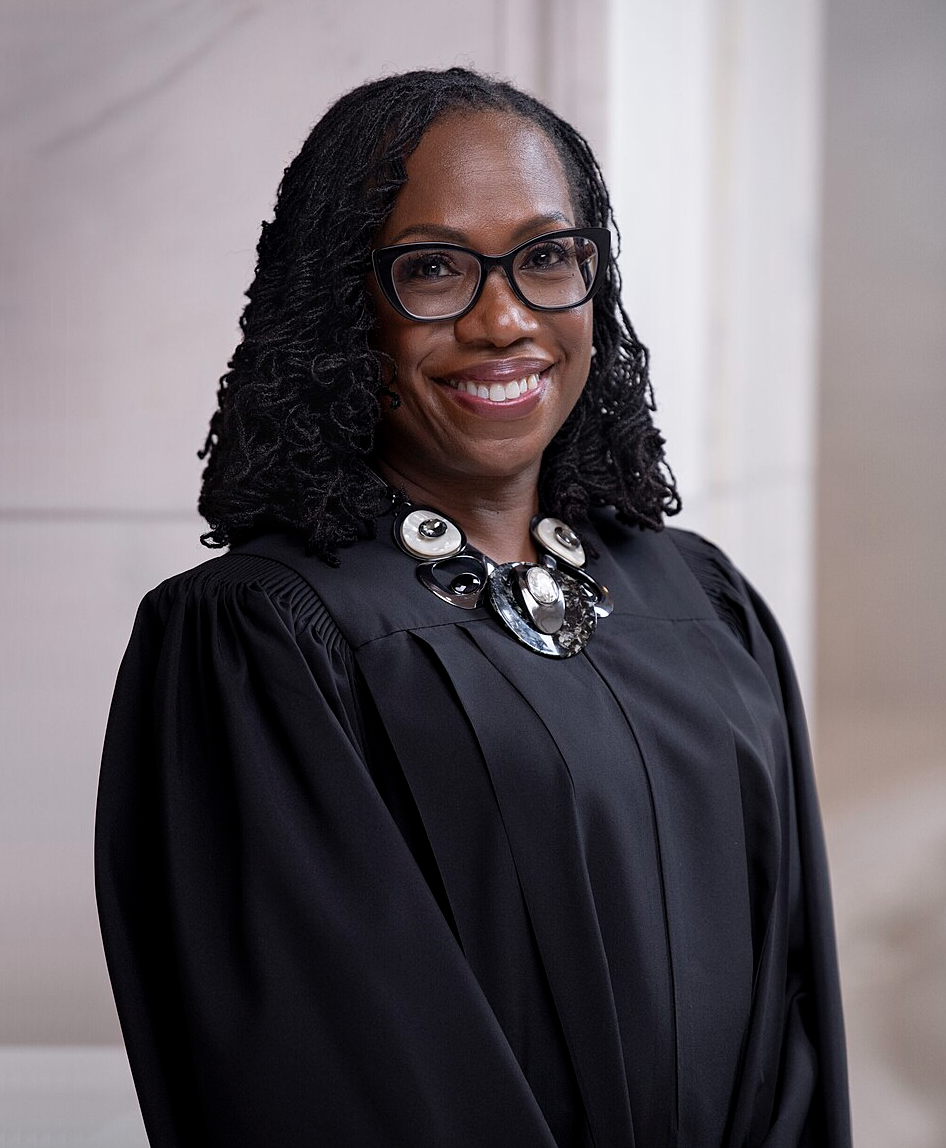
I found out today that our school is going to be visted by Ketanji Brown Jackson, one our country’s nine Supreme Court Justices. As an AP Government teacher this is thrilling. We just finished learning about the judicial branch last week and all my students know who she is. I’ve had (now retired) congressmen Earl Blumenauer visit my class before, and early in his presidency George W. Bush gave a speech in our gym (I was conveniently out of town for that). The Justice will be visiting in March as part of a book tour to promote her recent memoir Lovely One.
Ketanji Brown Jackson was appointed by President Biden in 2022 and is the newest Justice of the Supreme Court. She’s a fellow Gen Xer who grew up in Miami, Florida and was raised by two teachers. She earned her Bachelor’s and her Master’s degrees from Harvard and served as a supervising editor of the Harvard Law Review. She replaced Justice Stephen Breyer whom she had clerked for previously. She is also the first SCOTUS justice to have been a public defender. She is also the first African American woman to serve on the Supreme Court.
Since being on the court, she has stood out for being willing to ask a lot of questions during oral arguments. By contrast, longest serving Justice Clarence Thomas went 10 years without asking a single question from the bench (from February 2006 to February 2016). Justice Brown Jackson has also written 8 solo dissents thus far, an unusually high number. Finally, students of the Supreme Court have described her as pushing ‘progressive originalism.’ Conservatives tend to stake a claim to ‘originalism,’ which is a reading of the law that harkens back to the supposed ‘original’ intent of the founders. In Justice Brown Jackson’s case, she has harkened back to America’s ‘second founding’—the Reconstruction Era–and especially the 14th Amendment to argue in favor of ideas such as affirmative action.
Needless to say, I’m stoked to see her speak in person in the spring.
MMT, Ray Dalio, and Gemini 3
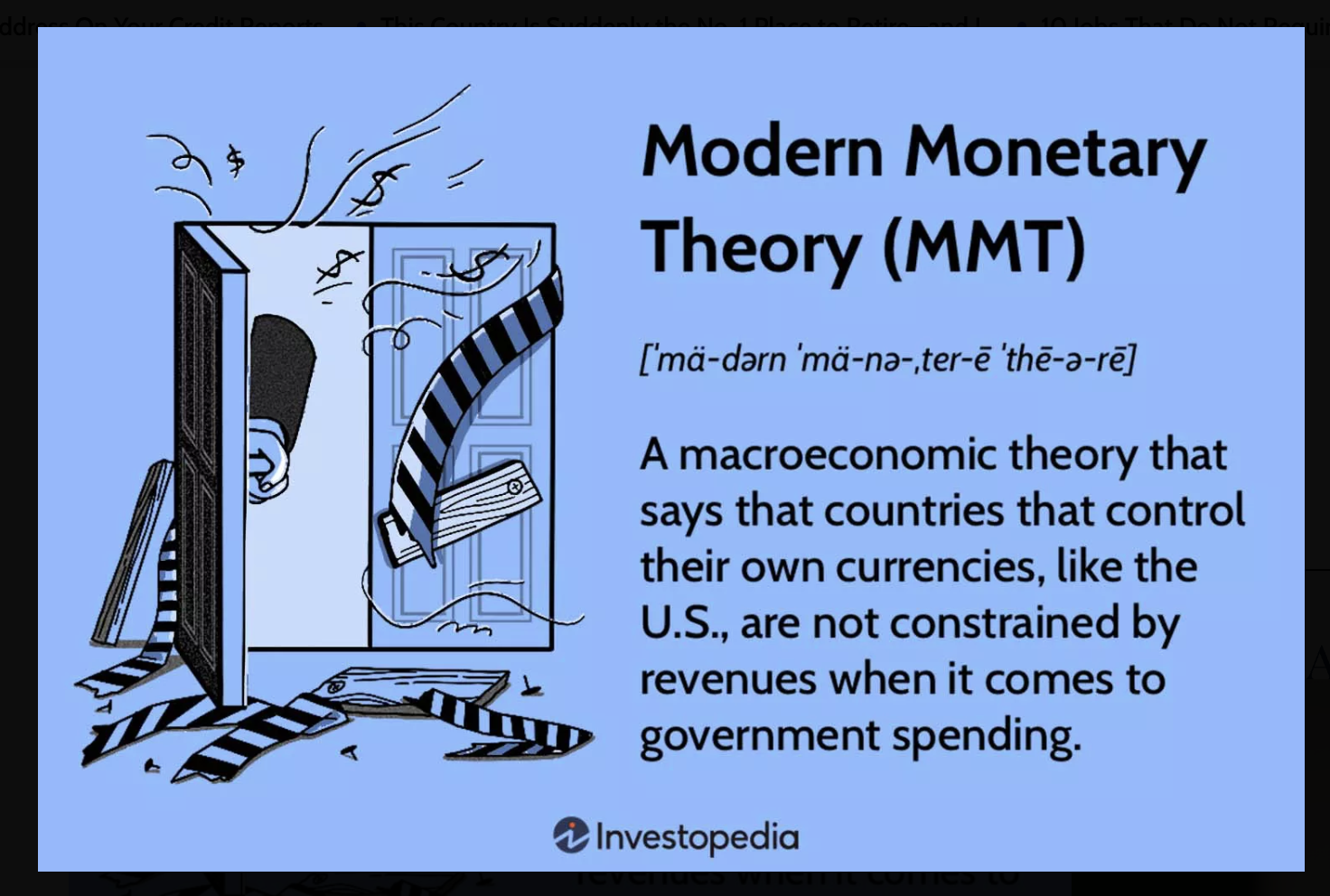
The latest book I have started reading is a book called The Deficit Myth by economist Stephanie Kelton. The book argues in favor of what is called the Modern Monetary Theory. I was vaguely aware of the theory and decided to read the book so I could understand it better. Right off the back I thought about Ray Dalio’s ideas, as expressed in his books about the debt cycle, which I’ve read and enjoyed.
Now, I’ve been playing around with Gemini Pro lately, which gives me access to their latest AI model Gemini 3. So I decided to ask Gemini to explain what Kelton and Dalio might say to each other about the national debt. The results were interesting so I thought I’d share them here. As you’ll see, I asked a few follow up questions. I absolutely love that I can share the thread with others like I am doing here.
To read the thread, go here.
On William Penn
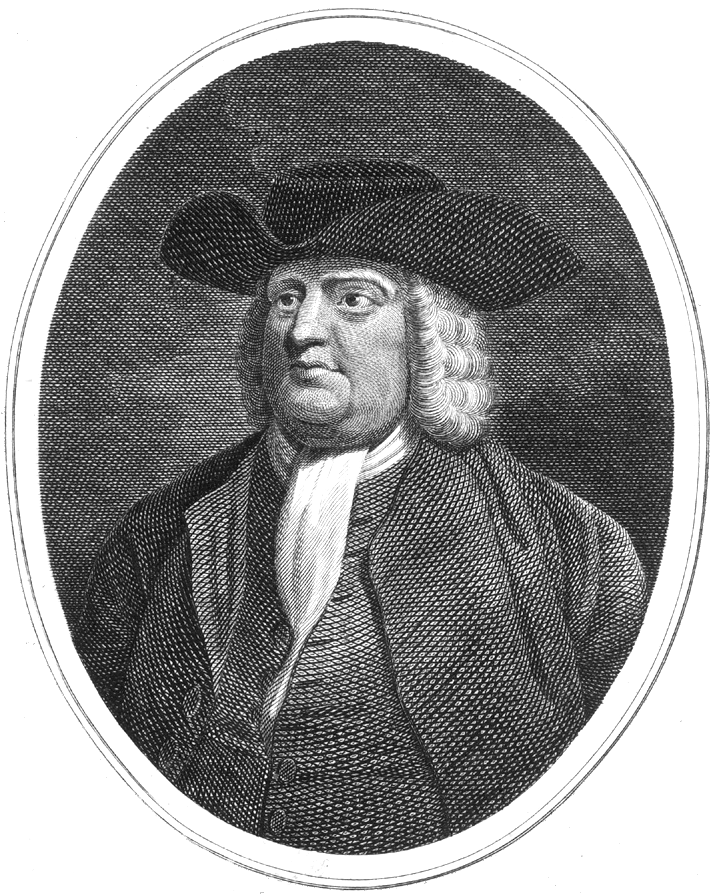
Most of us remember that Pennsylvania was founded and named after William Penn. Many will also recall that Penn was a Quaker and that the Quakers were a Protestant Christian sect that were pacifist and later played an important role in the abolitionist movement and the underground railroad. Oregonians may know that one of our local universities is named after the leading Quaker George Fox.
Penn comes up in my AP US History class when students are learning about the unique attributes of the original British colonies in America. I always talk a little about the Quakers and note that the city of Philadelphia derives its name from the Greek words for ‘dear’ or ‘loving’ and ‘brother.’ Hence, the ‘City of Brotherly Love.’ Very Penn.
I also instruct my students that Penn was relatively warm to the indigenous tribes. His general kindness backfired however, in the sense that migrants to the colonies found Pennsylvania relatively welcoming since the founder was so tolerant. The result was, after Penn’s death, the arrival of many who were not so tolerant, ultimately dooming the Native peoples to similarly frustrating sorry relative to the other parts of British North America.
However, I recently learned through my reading that Penn actually took the time to learn the language of the Lenni-Lenape (Delaware) people in order that he would be able to more fairly deal with them (he already knew five other languages, including English). Penn removed the middle man, hoping for deeper understanding and more fair dealing. I found this to be quite incredible, given what we know about the other colonists and their general greed and avarice. Indeed, Penn’s respect for the natives led to the so-called ‘long peace’ in Pennsylvania which lasted throughout his lifetime.
Where is David Rees When You Need Him?
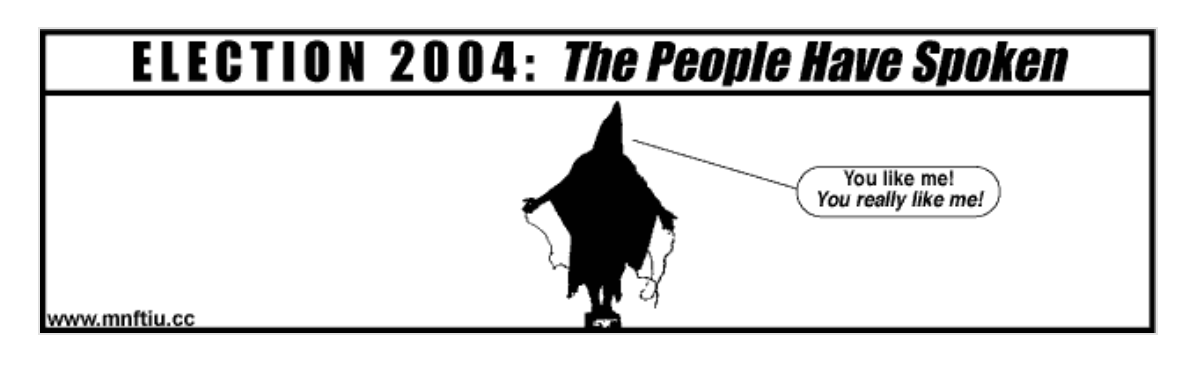
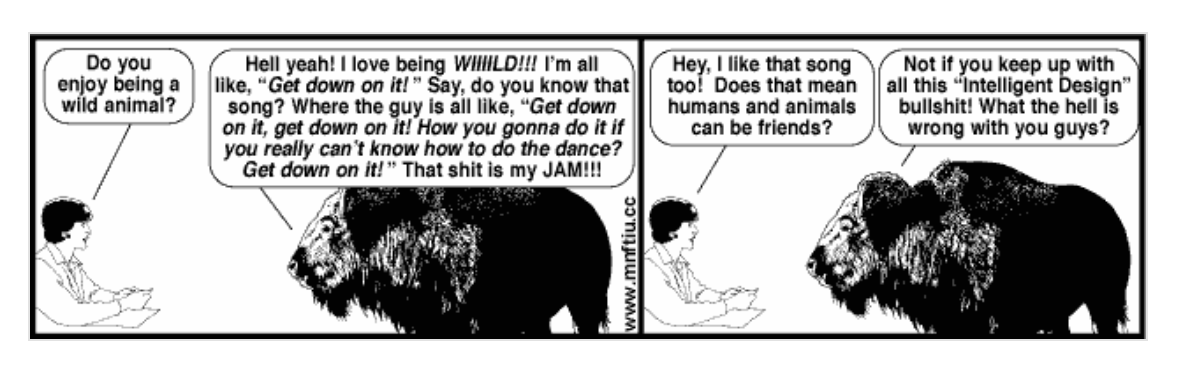
Back when George W. Bush was the president there was a cartoon published in Rolling Stone called Get Your War On. I absolutely loved it. It was created by a very clever, and funny guy named David Rees. The deeply sardonic cartoon used corny office clip art to sarcastically skewer Bush and his fundamentally stupid policies, including the ‘War on Terror.’ The cartoon ran from October 2001 to the end of Bush’s presidency in early 2009. I thought of it because as I recently finished Ben Burgis' book about Christopher Hitchens, it occurred to me how much we need the wit and wisdom of a guy like Hitch in these times. It then also occurred to me that I wish Mr. Rees was making a Trump era version of Get Your War On. Maybe he could call it Get Your Greed On? Or maybe Get Your Corruption On?
Anyway, here are few of Rees' brilliant cartoons.



On Christopher Hitchens
I am reading an interesting book about one of my intellectual heroes, the late Christopher Hitchens. The book’s author, coming from the political left, argues that Hitchens got a lot right, but erred seriously in his support for both the “War on Terrorism” and the Iraq War during the first decade of the 21st century. Hitchens began his intellectual journey as a socialist and by 2004 was oddly all in on Bush’s foreign policy in the Middle East. The author also critically deconstructs some of the arguments Hitchens' made in debates about religion.
A couple points come to mind as I reflect on Hitchens and his thinking. For one, his mistakes make him more—not less—useful to thinkers today. The book emphasizes that studying where Hitchens went wrong sharpens our own judgment. Heroes aren’t templates; they’re case studies. His intellectual courage, eloquence, and range remain valuable, but so do the cautionary lessons that grew from his rhetorical confidence and general arrogance. Additionally, I am reminded that admiration doesn’t require full agreement about everything—especially with complicated figures like Hitch. Indeed, there is no one I likely agree with on everything. In my mind, Hitchens' error about Iraq does not tarnish his overall body of intellectual work. For instance, I love his book god Is Not Great, but thought his attacks on Buddhism to be feeble and a wasted effort.
But none of this diminishes Hitchens' importance. If anything, it makes him more useful. Hitchens shows us that admiration doesn’t always require absolute agreement and that inspiration doesn’t require perfection. For me, he remains a case study in how a thinker can be both brilliantly right and consequentially wrong—and still worth reading, wrestling with, and learning from.


Odd and Unpredictable
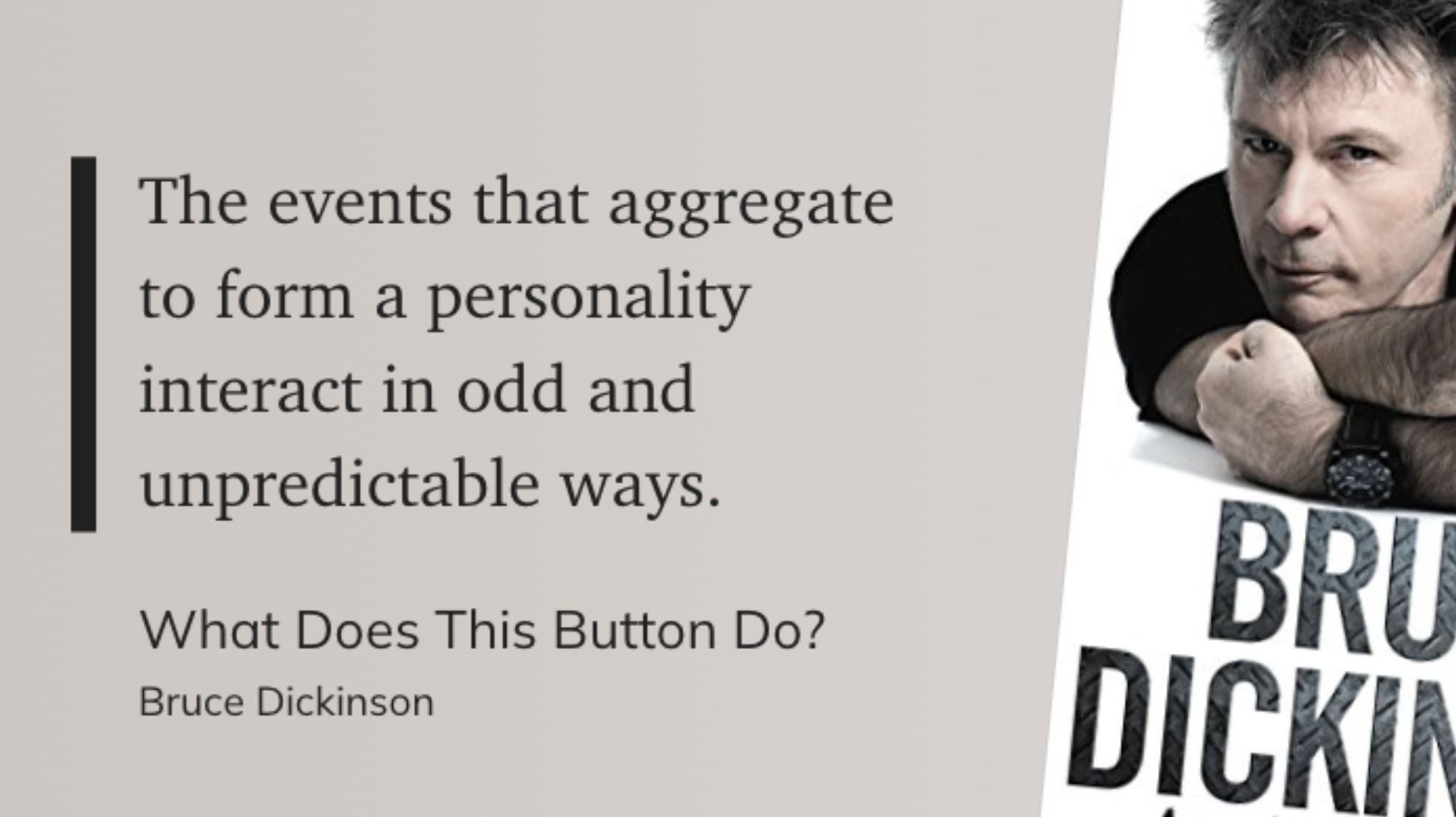
Bruce Dickinson is one of the most fascinating people in the world. He is most famous for being the long time lead singer of Iron Maiden, one of the best heavy metal bands of all time. However, in addition to that, Dickinson is also an author and a pilot, eventually flying the band around the world on their tours on their plane, Ed Force One. He is also a world-class fencer! His wide-ranging intellectual interests can be seen in the songs he has written over years. For instance, Alexander the Great is a great history lesson and Rime of the Ancient Mariner a great homage to Coleridge’s epic poem of the same name. Hell, I was first introduced to the novel Dune because of Maiden’s tune To Tame A Land.
The quote below is from his memoir What Does This Button Do? I saved it because I thought it was a great sounding sentence. I also saved it because I manages to convey a complex reality, very neatly.
What or Who is a Quisling?
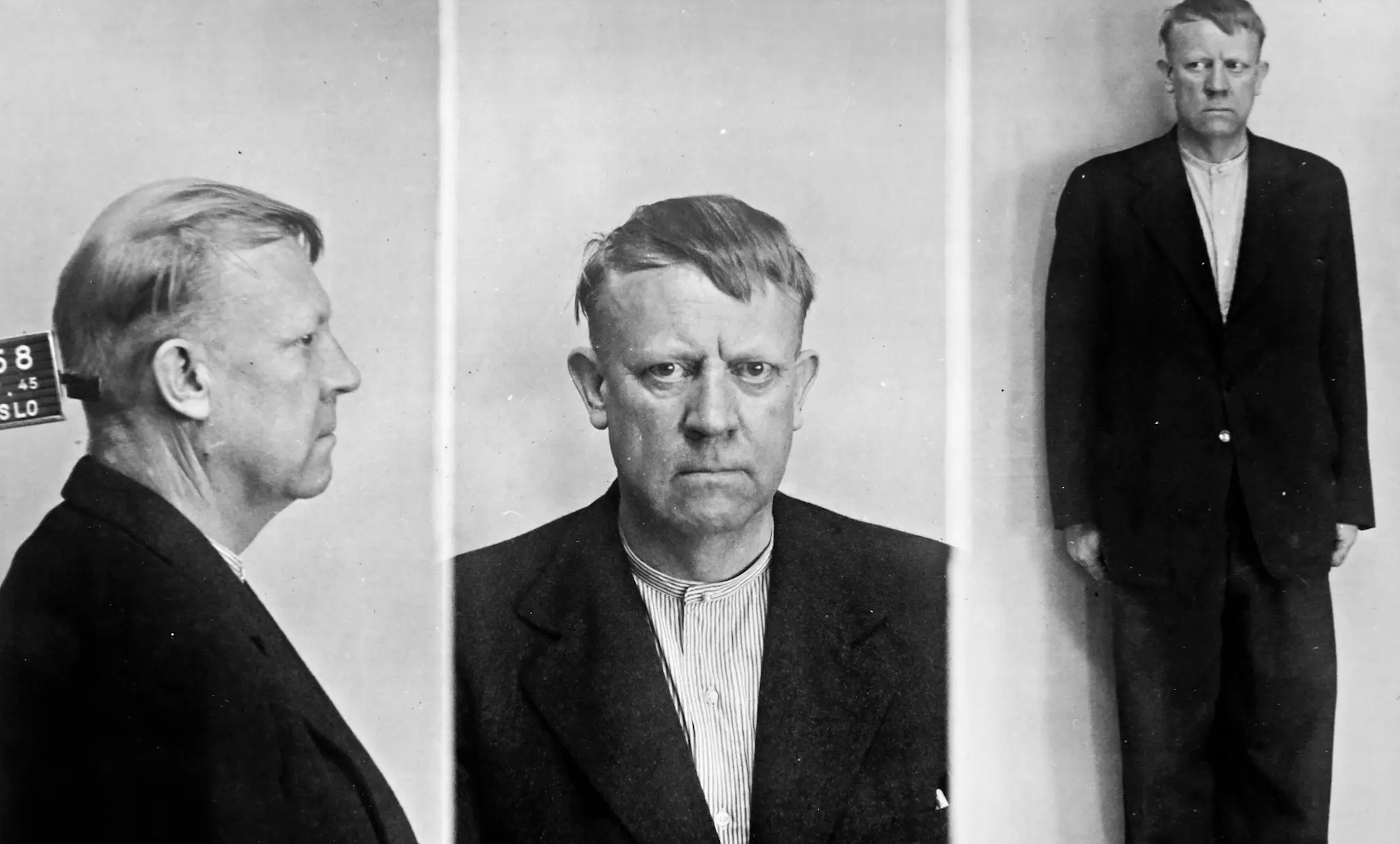
In Diane Ravitch’s memoir An Education, which I am thoroughly enjoying (!), I came across a word I was not familiar with. The word is ‘quisling.’ Chat bots being my new reading companions, I quickly looked it up.
The word is of relatively recent vintage, being coined during World War II. Apparently, a Norwegian fascist named Vidkun Quisling collaborated with the Nazis in his home country during the war. Thus, the word refers to someone who betrays their own country, or own group, by collaborating with the enemy. Benedict Arnold came to mind immediately when thinking about this. Thus, a quisling is a traitor. **Great word! **
Not surprisingly, Quisling was put on trial after the war for a variety of crimes and was found guilty. He was executed by firing squad in October 1945 in Oslo. He was buried in an unmarked grade, and his surname now is equated with treachery. A fitting end, I’d say.
Shaka Zulu
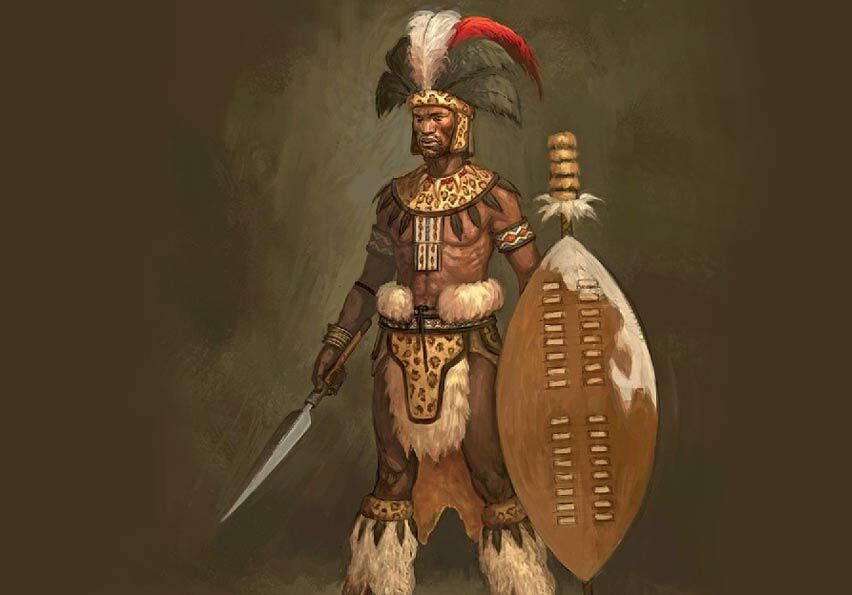
I recently came across Shaka ka Senzangakhona in three different books over the past two weeks, and I found his story too striking not to share. I first came across him in The Narrow Corridor, where the authors discuss his unique military innovations and brutal, but successful leadership. A few days ago, he appeared in General Stanley McChrystal’s book On Character. McChrystal shared a story about how Shaka made his warriors dance on ground covered with sharp needles and if they flinched, they were executed. Finally, in The Birth of the Modern, he was brought up in the context of the history of southern Africa during the early 19th century, when he reigned. I love it when such serendipity pops up in my reading.
Anyway…born around 1787 and dying in 1828, Shaka became king of the Zulu in what is now KwaZulu-Natal in South Africa from 1816 to 1828.
What fascinates me is how he took a relatively minor clan and, through bold military, social and political reforms, built it into a dominant power in his corner of Africa. His success arose because he reorganised the Zulu regiments, introduced new weaponry and tactical formations, and absorbed neighbouring groups under Zulu rule.
At the same time, Shaka’s reign is drenched in blood and controversy. His mother’s death in 1827 triggered a wave of harsh decrees—including mass-executions, bans on planting or using milk, and demands of mourning—that turned many of his own people against him. He was also apparently so paranoid that his heir might depose him, that if any of his concubines became pregnant, he had them killed. Not surprisingly, he was assassinated by his half-brothers in 1828.
In my reading, I’ve found myself wondering: how do we reconcile the visionary-leader and the ruthless-tyrant in one figure? His life makes me think of people like Alexander the Great and Napoleon, who are often idolized, but who both caused tremendous suffering as a result of their military pursuits. I’ll continue to reflect on how each of the three authors portrays Shaka, as successful military leader and cruel tyrant, and invite you to do the same. How does his story challenge our ideas of leadership and legacy? What lessons (or warnings) does his rise and fall offer us today?
RIP Donna Jean
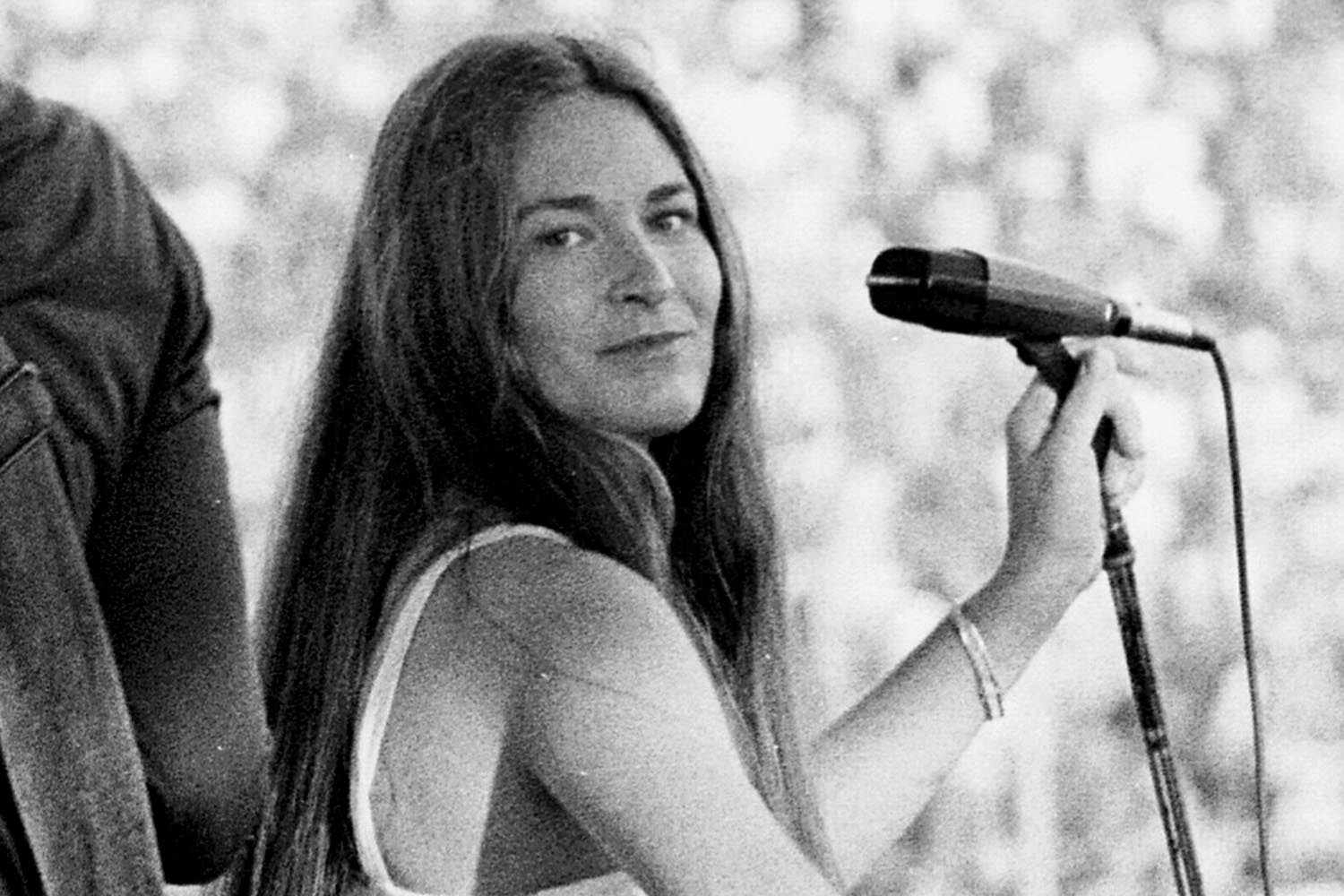
The Grateful Dead lost another band member this week. Donna Jean Godchaux joined the band in the early 70s when her husband Keith became their piano player and left the group in 1979. Her contribution to the band was her singing and it was polarizing. I think most fans would agree that she added some beautiful vocals to some of the great tunes from the 70s (Scarlet Begonia and The Music Never Stopped come to mind), but her performances live could often be a major buzz kill. More than one Playin' in the Band was tanked due to her wailing. Nevertheless, she was in the band and is tied karmically to all the world’s Deadheads.
RIP Donna
Some Thoughts from Retired General Stanley McChrystal
General Stanley McChrystal is a fascinating dude. I first learned about him when he was forced to resign by Obama in 2010 because of comments attributed to him and his staff members that were published in Rolling Stone. Leading up to that, I have learned that he was a top rate soldier, which explains why he was in charge of Allied forces in Afghanistan at the start of Obama’s presidency. His military career is undoubtedly honorable and exemplary.
He is also known for the fact that for many years while in the military he only ate one meal a day. Combined with his daily exercise regimen he developed a reputation, even amongst those in the military, as a Spartan.
I am currently reading his book On Character and enjoying it very much. McChrystal is clearly a thoughful guy and not easily pigeonholed. I find myself agreeing with most of his takes on the big issues he discusses in the book. Below are some of his thinking, which I found insightful and wise. The quotes are about religion (1), race (2 & 3), and the Constitution (4).
JFK was Overrated
President Kennedy often gets a lot of props from the American public. There are elements of his presidency that I admire, most notably the fact that his rhetoric was often inspirational. However, I believe he is one of the most overrated presidents in modern history. The obvious arguments have to do with his escalation of our involvement in Vietnam and his slowness to support civil rights. In recent years I have come across other examples that call into question his leadership. Some of these have to do with his behavior towards women (see p. 109 of Brian Lamb’s book The Presidents (where today’s quote is from). Another example is the one mentioned below. During the attempt by the Kennedy team to pass civil rights legislation, when they had LBJ at their disposal–the ‘Master of the Senate'-they preferred not to seek his help. Of course, after Kennedy was assassinated, LBJ got both the Civil Rights Act passed in 1964 and the Voting Rights Act passed a year later, proving that Kennedy was foolish in failing to enlist his help.
