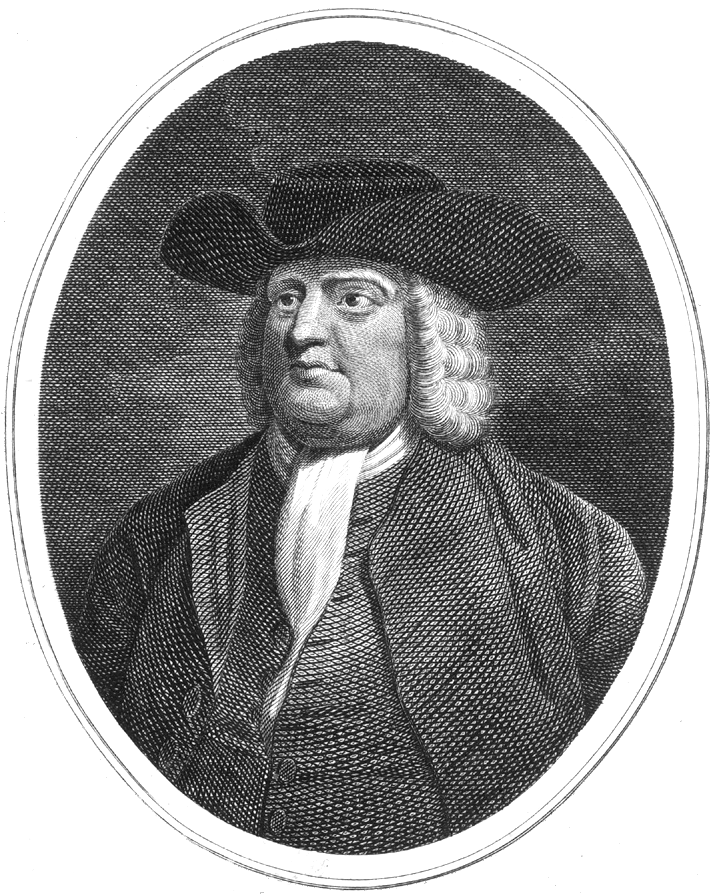
On William Penn
Most of us remember that Pennsylvania was founded and named after William Penn. Many will also recall that Penn was a Quaker and that the Quakers were a Protestant Christian sect that were pacifist and later played an important role in the abolitionist movement and the underground railroad. Oregonians may know that one of our local universities is named after the leading Quaker George Fox.
Penn comes up in my AP US History class when students are learning about the unique attributes of the original British colonies in America. I always talk a little about the Quakers and note that the city of Philadelphia derives its name from the Greek words for ‘dear’ or ‘loving’ and ‘brother.’ Hence, the ‘City of Brotherly Love.’ Very Penn.
I also instruct my students that Penn was relatively warm to the indigenous tribes. His general kindness backfired however, in the sense that migrants to the colonies found Pennsylvania relatively welcoming since the founder was so tolerant. The result was, after Penn’s death, the arrival of many who were not so tolerant, ultimately dooming the Native peoples to similarly frustrating sorry relative to the other parts of British North America.
However, I recently learned through my reading that Penn actually took the time to learn the language of the Lenni-Lenape (Delaware) people in order that he would be able to more fairly deal with them (he already knew five other languages, including English). Penn removed the middle man, hoping for deeper understanding and more fair dealing. I found this to be quite incredible, given what we know about the other colonists and their general greed and avarice. Indeed, Penn’s respect for the natives led to the so-called ‘long peace’ in Pennsylvania which lasted throughout his lifetime.